


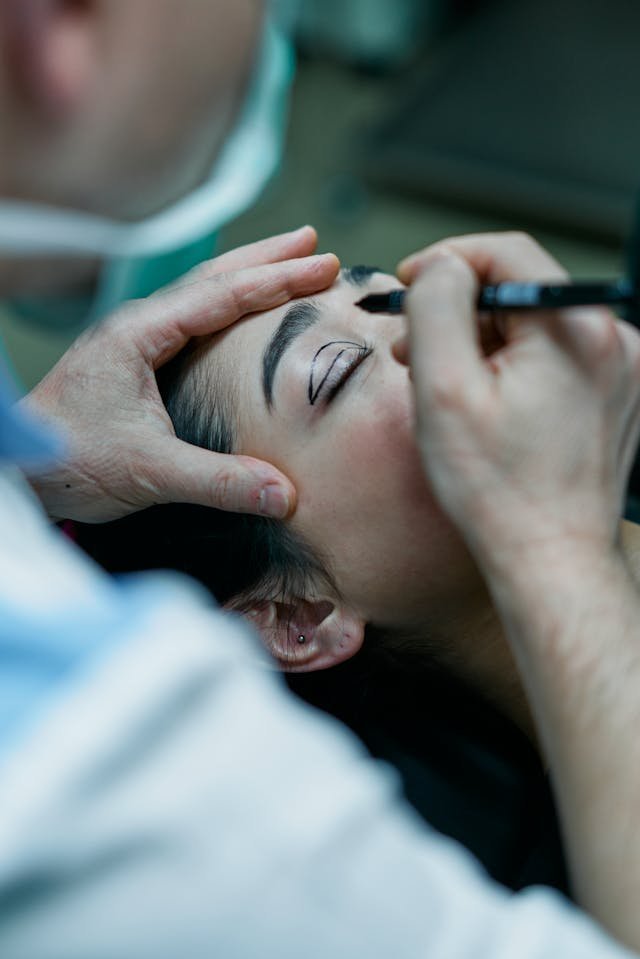
The region around the eyes is frequently one of the first to reveal signs of aging. With time, the delicate skin surrounding the eyes tends to lose its elasticity, and the foundational structures of the face may start to change position. Consequently, the eyelids can appear heavier, less distinct, or unevenly smooth compared to their previous state. Although adjustments in lifestyle, the use of skincare products, and non-invasive treatments can help mitigate minor issues, they may not effectively tackle more pronounced structural problems.
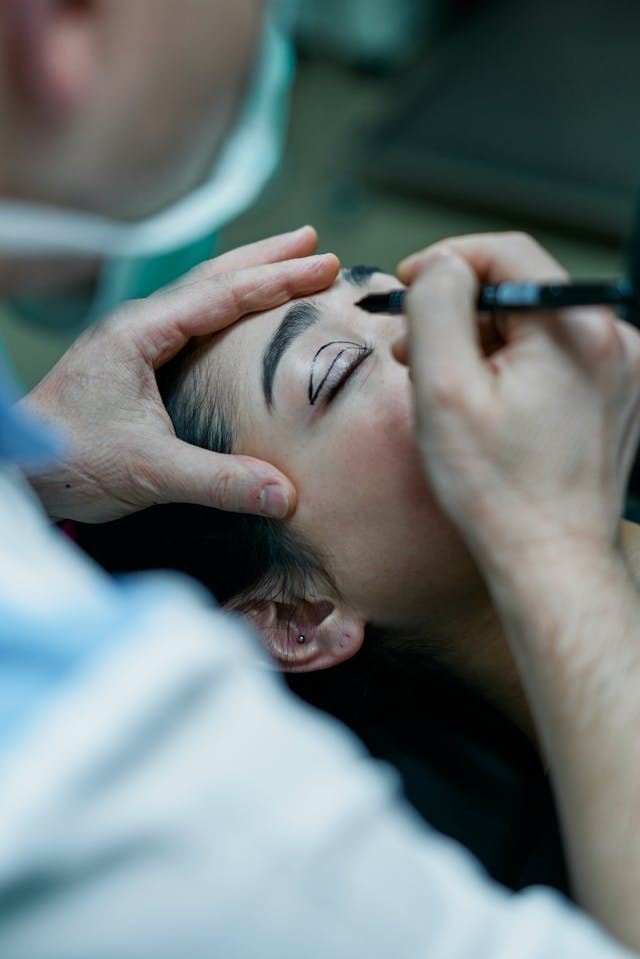
For more severe cases, surgical treatments such as blepharoplasty may be considered. This procedure has gained popularity in locations like Boston, where individuals look for discreet, natural methods to rejuvenate the eye region. If you are contemplating this surgical option, it is crucial to comprehend the conditions that blepharoplasty can effectively treat.
Let’s dive in!
Your Eyes Exhibit a Perpetually Tired Look
A constantly fatigued appearance around the eyes is typically one of the initial changes noticed by others. Even following a restful night’s sleep, the eyes might seem heavy, shadowy, or less open. Drooping upper eyelids or an abundance of skin can weigh down this area, leading to a wearied look that does not accurately reflect how vivacious or rested the person feels.
Such heaviness can also subtly influence one’s facial expressions. Given that the eyes are pivotal in conveying emotions, a closed-off appearance may unintentionally make the face look older, less vigilant, or less expressive, causing individuals to feel that their external appearance no longer matches their internal feelings.
Excess Skin Affects Vision
In some instances, too much skin on the upper eyelids can transcend mere aesthetics and start to obstruct vision. When skin folds cascade over the lash line, they may impede the upper or peripheral sight. This can complicate everyday tasks such as reading, driving, or using a computer.
As a compensatory mechanism, many individuals instinctively raise their eyebrows throughout the day to elevate their eyelids. This habitual muscle engagement can result in eye fatigue, forehead strain, or headaches. When eyelid skin detracts from both appearance and function, careful evaluation to explore potential corrective measures is frequently recommended.
Chronic Puffiness or Under-Eye Bags
Persistent under-eye swelling that does not improve with rest or lifestyle changes is another prevalent concern. Temporary puffiness due to fatigue, allergies, or fluid retention tends to vary, often appearing worse in the morning but improving as the day progresses. Conversely, persistent under-eye bags usually signify structural rather than transient issues.
As the natural support structures beneath the eyes deteriorate over time, fat pads that usually sit flat under the lower eyelids can start to protrude forward. This leads to a rounded or puffy look that does not respond to topical solutions like eye creams, cold compresses, or alterations in sleeping patterns. Since this type of fullness originates beneath the skin, topical remedies are often ineffective.
Consequently, surgical techniques that tackle excess skin and the underlying structural changes are commonly considered. Numerous patients who opt for blepharoplasty at The Spiegel Center in Boston frequently find notable improvements in chronic under-eye puffiness following the procedure. Careful attention is given to eyelid and eye health to create a smoother contour under the eyes.
Cosmetics and Skincare Become Less Effective
Many individuals realize that their eye creams, serums, and makeup strategies cease to yield substantial improvements over time. While products may temporarily provide moisture to the skin, they cannot rectify excess tissue or significant structural concerns. Makeup may settle into skin creases or exacerbate puffiness instead of concealing it.
When concealers and skincare initiatives no longer produce the desired results, it often indicates that the primary issue lies deeper than the skin’s surface. This realization frequently drives individuals to pursue professional assessments to comprehensively understand the root causes of their concerns.
You’ve Pursued Non-Invasive Options Without Success
Non-surgical options may be effective for certain issues, particularly when they are mild or related to muscle activity or skin condition. However, these treatments come with limitations. When injectables, skincare applications, or lifestyle modifications fail to alleviate eyelid concerns, it often points to the presence of excess skin or displaced fat as the fundamental issue.
At this point, surgical interventions may be explored to directly tackle the underlying structural problem rather than merely managing surface symptoms. Grasping this distinction is vital in forming realistic expectations and aiding informed choices.
Conclusion
Changes in the eyelids are common and usually develop gradually, but they can significantly impact appearance, comfort, and vision. Recognizing signs that may warrant blepharoplasty is essential for making thoughtful, informed decisions. With the right evaluation and careful methodology, eyelid surgery can address concerns to achieve natural and balanced results tailored to each individual.


Add Your Comment Cancel reply