


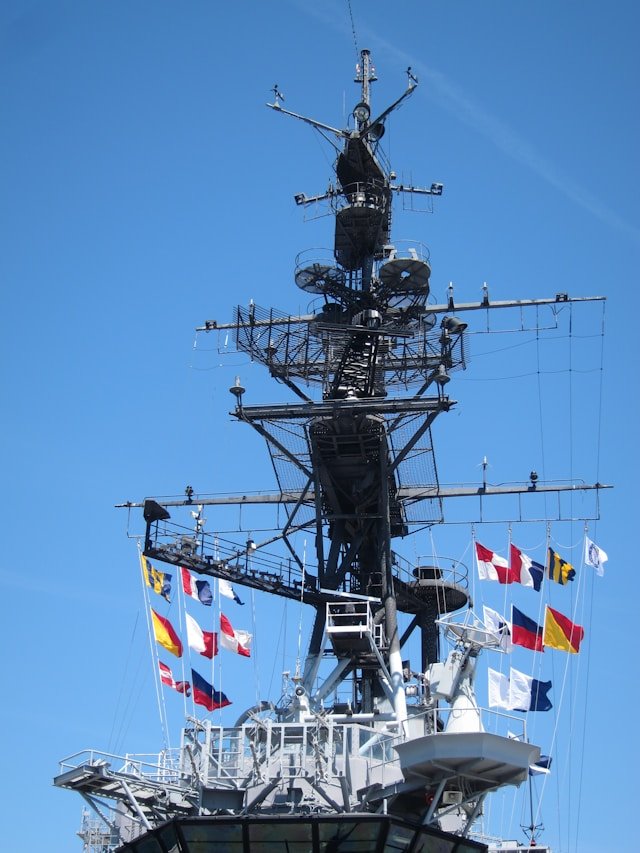
Nautical flags and boat signs are vital in the maritime communication framework. They serve as essential tools for transmitting messages between vessels and between ships and shore, ensuring that safety and operational effectiveness are upheld in maritime navigation. This article will explore the historical background, various types, and functions of nautical flags and boat signs, providing a comprehensive insight into their significance in nautical practices. These communication tools are utilized in numerous situations—ranging from routine operations to critical emergencies—to enable seafarers to relay important information swiftly and visibly, particularly when spoken communication is hampered due to distance or environmental factors.
Historical Development of Maritime Communication
The practice of using flags for communication in maritime settings can be traced back many centuries, arising from the need for ships to send messages over long distances prior to the invention of radio technology. Initially, these signals were quite rudimentary and developed over time into a sophisticated system capable of conveying nuanced messages. Presently, the International Code of Signals (ICS) is globally recognized, enabling vessels of diverse nationalities to communicate crucial messages effectively despite language differences. Historical evidence indicates that the primary forms of nautical communication utilized simple colored flags, which evolved as maritime navigation became more intricate, demanding a more advanced system to address the various safety and navigational challenges ships encounter worldwide.

Decoding the International Code of Signals
The International Code of Signals comprises an array of flags, each one symbolizing a letter of the alphabet accompanied by a series of standardized messages. Every flag has a distinct shape, color, and design that corresponds to a specific letter or message. When utilized in various combinations, these flags can convey intricate instructions, warnings, and essential information. Gaining proficiency in these signals is crucial for anyone involved in maritime navigation or vessel operation. The extensive nature of this system allows for clear and detailed communication, which prevents misunderstandings that could potentially lead to accidents or navigational mishaps.
Categories of Nautical Flags and Their Significance
Nautical flags can be classified into several types, including alphabetical flags, numeral pennants, substitute flags, and specialized flags, such as those used for distress signaling. Alphabetical flags are used to spell out messages, while numeral pennants are employed for indicating numbers, dates, or times. Substitute flags can be utilized to repeat letters in a communication without requiring additional flags. Familiarity with the meaning and proper application of these flags is essential for effective maritime communication. These flags serve not only as communication devices but also as emblems of maritime heritage, each one encapsulating a specific and universally acknowledged meaning that surpasses language differences.
Contemporary Uses of Boat Signs and Flags in Sailing
In addition to traditional nautical flags, modern vessels utilize various signs to uphold safety and comply with maritime regulations. Examples include draft marks, hull identification signs, and capacity indicators, which offer details regarding the boat’s weight maximum and identification information. Regulatory signs, like those indicating no-wake zones or speed limits, are also prevalent, facilitating safe and compliant navigation within various maritime settings. These contemporary practices complement traditional flag systems and assist in managing the increasing demands placed on navigational routes.
Nautical Flags and Maritime Safety
Safety is of utmost importance in maritime navigation, with nautical flags serving a key function in safety-related communication. Certain flags are designated for situations such as man-overboard alerts, hazard warnings, or calls for assistance. For instance, the Alpha flag signals that a diver is in the water and indicates that nearby boats should proceed at a slow pace, while the November Charlie flags together convey a distress call. These signaling tools are critical in enhancing safety at sea, providing unmistakable and prompt communication during instances where urgency and clarity are essential.
Signs Promoting Environmental and Regulatory Compliance
Boat signs also encompass placards and labels mandated by maritime regulatory authorities, including those that prohibit oil discharges or outline waste management procedures. These signs are designed to ensure vessels remain compliant with environmental laws, mitigate pollution, and encourage sustainable practices within marine ecosystems. This aspect of maritime signage has gained considerable importance today as legislative and international agencies increasingly emphasize environmental safeguarding.
Navigational Challenges and the Function of Flags
Navigating waterways poses various challenges, including limited visibility, congested sea lanes, or complicated harbor entries, which often require clear communication enhanced via flags. For example, during regattas or within harbor areas, specific flags may be employed to direct vessels, indicate race progress, or relay operational commands, thereby reducing the potential for accidents and misunderstandings. The strategic deployment of these flags can greatly improve both safety and efficiency in crowded or difficult marine environments.
Cultural Relevance of Nautical Flags
Beyond their functional roles, nautical flags hold cultural significance within maritime communities. They are often incorporated into various ceremonies and celebrations, with their colors and designs representing different maritime customs. During events like ship commissions or national festivities, particular flags are displayed to honor the occasion, showcasing the rich heritage and traditions of seafarers. This cultural dimension adds depth to the appreciation of nautical flags, intertwining their practical application with historical and ceremonial significance.
Integrating Technology with Traditional Signaling
With ongoing technological advancements, the integration of traditional nautical flag signaling and modern communication technologies is increasingly common. Digital signaling systems, GPS devices, and other navigational tools complement the use of traditional flags, enhancing the clarity and reliability of maritime communication. This fusion of historical and contemporary technologies safeguards the robustness and adaptability of maritime signals in evolving conditions. Additionally, technology facilitates more effective training for upcoming sailors, providing simulated environments for them to learn the importance and proper application of nautical flags before they utilize this knowledge in actual scenarios. This technological evolution not only preserves longstanding maritime signaling traditions but also modernizes them, reinforcing safety and operational efficiency in maritime practices. It enables real-time communication and boosts decision-making skills onboard, bridging the gap between time-honored customs and the current needs of navigators.
In conclusion, nautical flags and boat signs are integral to maritime tradition and safety policies, transcending their basic role as communication mechanisms. Their significance today, while founded on centuries of nautical history, remains crucial for ensuring safe and efficient travel at sea. A thorough understanding and correct implementation of these signals can significantly improve navigational safety and operational performance, upholding order and security across the waters. As maritime activities flourish, the relevance of these signaling instruments endures, highlighting the necessity for ongoing education and adherence to these established communication standards.




Add Your Comment Cancel reply