



Compact areas can offer immense benefits for children. A snug retreat enables them to unwind, enjoy a book, or take a breather without stepping away from the buzz of family life. By implementing a few thoughtful changes, a corner can be transformed into a special getaway that is both functional and inviting.

Choose Cozy Seating for Maximum Comfort
Comfortable seating is essential for any peaceful retreat. Select furniture that is both cozy and supportive, allowing children to relax without restlessness.
According to a reliable guide for creating reading nooks, the essentials include inviting seating, adequate book storage, and proper lighting to establish a child-friendly haven. This is also a perfect chance to incorporate adaptable seating options.
Many households opt for bean bags since they are lightweight, adapt to growing bodies, and can be easily moved around for playtime. Various styles and sizes can be found at Bean Bags R Us, allowing you to customize according to your child’s age and the layout of the room. Additionally, consider adding floor cushions for siblings to enjoy together without overcrowding. Completing the setup with a petite side table for drinks or art supplies can help keep the area organized and serene.
Layer Lighting for a Relaxing Atmosphere
Children tend to unwind more effectively when the lighting suits their activities. Combining an overhead light source with a focused task lamp for reading and soft lighting for quiet moments creates a balanced environment. Look for warm bulbs that aren’t overly bright to prevent eye strain during evening hours.
Consider using a simple lighting trio: overhead lighting for safety, a clip lamp to direct light on a book or puzzle, and a strand of soft LED lights to create a cozy hideaway. To manage nighttime transitions, a timer plug can automatically turn off the lights at a set time.
Design a Tranquil Corner That Children Can Control
Creating a calming environment helps kids learn self-regulation. Research indicates that calming spaces in schools are excellent for helping children practice mindfulness and restore balance. Bring this concept home with accessible, low-key tools for kids to utilize independently.
Incorporate visual and tactile elements. A small poster outlining three deep breathing steps can pair well with a basket of squeeze balls or soft-textured squares. Having a mini sand timer within reach encourages children to learn to pause at their discretion. Personalize the space with a simple wooden name label. The objective is not to create silence, but rather a brief moment to reset their emotions.
Streamline Storage That is Both Accessible and Inviting
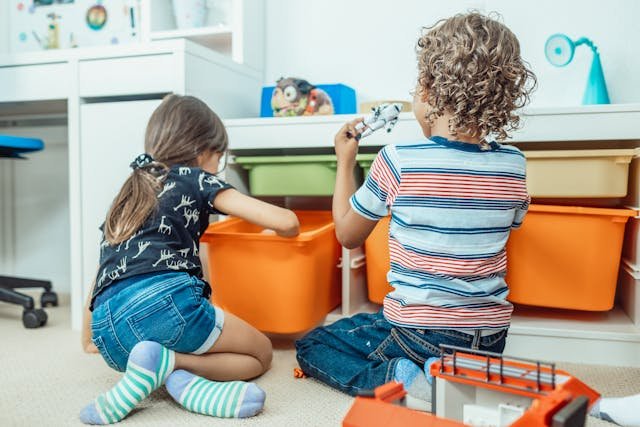
Clutter can disrupt the soothing atmosphere of a space. Ensure that storage is convenient and within children’s reach to facilitate quick tidying. Use soft bins for stuffed animals, low shelves for picture books, and shallow trays for art supplies that can be refreshed weekly.
- Label bins with images or symbols
- Limit the number of books in the nook to just a week’s worth
- Store messy craft items in covered boxes outside the nook
- Keep a laundry bag handy for blankets and cover-ups
When everything has its designated place, even young children can tidy up quickly. This small accomplishment helps make the nook a welcoming space to visit every day.
Appeal to Senses Without Overstimulating
Children are attuned to different textures, sounds, and scents. Select a few sensory elements while avoiding excess to maintain tranquility in the nook. A home decor trend often highlights relaxation corners featuring comfortable seating options like bean bags, plush cushions, or a throw on the ground—encouraging relaxation without stress.
Prioritize tactile experiences. Incorporate textured items like a ribbed throw, a velvet pillow, or a chunky knit for added comfort and visual appeal. Control sound levels with a fabric canopy or rug that absorbs noise from the surrounding environment. If you choose to add scent, keep it subtle and familiar, opting for scents like clean cotton instead of overpowering floral fragrances.
Embrace Flexibility and Easy Cleaning
A nook that can easily adapt will likely be used more frequently. Choose furniture that can be slid, stacked, or folded to allow the area to transition seamlessly from reading to art projects to imaginative play. Low stools can double as side tables, a lap desk can transform any seat into a working space, and nesting baskets can be tucked away when not in use.
Establish routines to protect the nook’s ongoing organization. Encourage kids to rearrange the nook before dinner and choose a “comfort item” to set aside for the next day each night. These small habits allow children to feel ownership over the space and ensure it’s ready for the next moment of tranquility.
Incorporate Personal Elements with Subtle Touches
Allow kids to select a specific color or theme that can be reflected in a few elements throughout the nook. A framed artwork, a patterned cushion, and a bookmark can unify the area without the need for entirely new decor. Hang art at a child’s eye level so they can appreciate it easily.
Keep decorations minimal to avoid a cluttered feel. A single strand of bunting, one poster, or a small potted plant can be sufficient. When in doubt, leave some empty space—allowing breathing room is crucial to maintaining the nook’s relaxing atmosphere.
Creating a cozy nook doesn’t require extensive space or a large budget. Focus on soft seating, gentle lighting, and child-friendly tools that support self-regulation. With organized storage and a few sensory elements, you’ll create a cherished spot your child will frequent every day.


Add Your Comment Cancel reply