


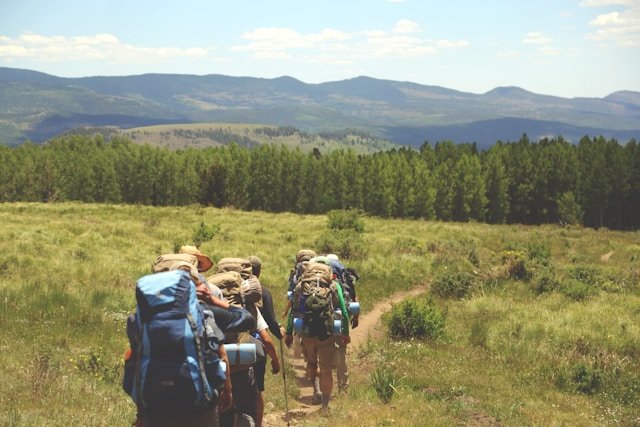
Taking a trip to the mountains with kids can provide a fulfilling experience for families, allowing them to engage with nature, step back from their busy lives, and forge lasting memories. The fresh air, stunning scenery, and the thrill of adventure associated with mountain excursions ignite a sense of wonder and enthusiasm in young explorers.
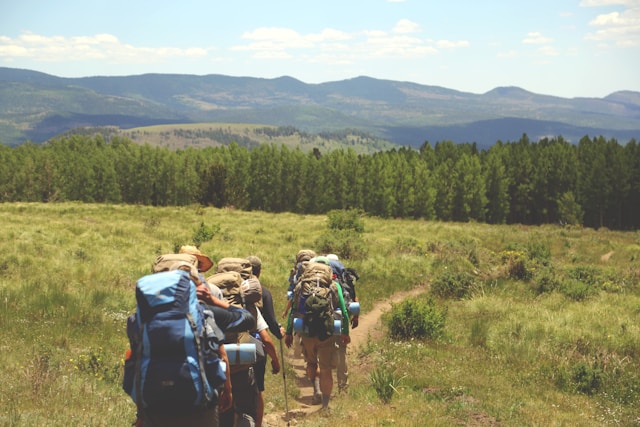
However, mountain environments can be unpredictable and physically challenging for younger adventurers. Variations in weather, changes in altitude, and rugged terrain necessitate thorough planning and foresight from parents.
What Sets Family Mountain Adventures Apart
Venturing into the mountains with kids offers a splendid chance for family togetherness, fresh outdoor experiences, and excitement. The unique physical demands and environmental factors of mountain travel require careful preparation.
Mountains can shift quickly; they can have rapidly changing weather, reduced oxygen at higher altitudes, and diverse terrains that challenge both endurance and confidence. Even adults must approach these conditions with caution. A successful mountain adventure should strike a balance between thrilling activities and safety, including ample rest and adaptability to the needs of each child.
Selecting an Ideal Mountain Destination
When choosing a location, consider trail length and difficulty, proximity to emergency services or towns, and the type of trail environment, whether it consists of forests, open ridges, or steep slopes. Do not feel compelled to aim for iconic summits like Mont Blanc unless your family is well-experienced in mountaineering. Opt for spots that offer beautiful vistas with minimal risk.
Consider your base for the trip. Mountain towns that offer family-friendly accommodations, convenient trail access, and organized nature excursions can enhance your experience and lessen stress. Look for areas with well-kept trails and clear signage, which can boost both your and your children’s confidence as you navigate the path.
Evaluating Your Children’s Preparedness
Each child is unique, and what works for one may not work for another. Before embarking on a challenging hike, it’s essential to honestly assess your children’s physical and emotional readiness by asking the following:
- Do they have prior hiking experience?
- Can they sustain several hours of walking with appropriate breaks?
- Are they comfortable navigating various trail surfaces?
- How do they react to discomfort, fatigue, or unexpected situations?
Some children thrive on challenges and spontaneity, while others may struggle with uncertainty. To build stamina and confidence, plan shorter local hikes prior to your trip. These excursions can also familiarize them with the equipment and expectations, allowing you to gauge their ability to handle elevation changes and prolonged walking.
Essential Packing for Comfort and Safety
Preparing for a mountain trip requires more consideration than a simple day at the beach or a visit to the city. Comfort and safety gear for children are paramount.
Begin with clothing suitable for variable weather conditions. Mountain weather can change rapidly, so layering is crucial. Necessary items include breathable base layers, insulating mid-layers, waterproof jackets, hats, and gloves. Additionally, ensure good, well-worn footwear is a priority.
Other essentials include:
- Sunscreen and sunglasses (UV exposure increases with altitude)
- Sufficient water and high-energy snacks
- A first-aid kit tailored for children
- Navigation equipment (maps, compass, GPS)
- Headlamps or flashlights with extra batteries
If longer hikes are on your agenda, consider trekking poles for adults and older kids to enhance stability. For younger children, using carrier backpacks may be a more suitable option than allowing them to trek the entire distance themselves.
Health, Altitude, and Emergency Preparedness
Mountain excursions can introduce health risks not typically found at lower elevations, with altitude sickness being one of the primary concerns. Symptoms can affect both adults and children if elevation is gained too swiftly.
Common symptoms include headaches, nausea, fatigue, and dizziness. Begin with gradual ascents and include rest days in your schedule to allow your family to acclimate. Stay vigilant for signs of distress, and be ready to retreat to lower altitudes if symptoms manifest.
Have basic emergency communication devices on hand, such as a fully charged mobile phone, a portable charger, or a personal locator beacon when exploring secluded regions. Knowing the locations of nearby ranger stations, medical facilities, and safe havens can empower you to respond effectively in case assistance is required.
Creating Fun Experiences for Kids
Engaging and motivating children can make the hiking experience delightful for all involved. Foster curiosity by transforming hikes into nature scavenger hunts. Search for animal tracks, identify local flora, or collect unique rocks. Encourage children to partake in simple navigation tasks, such as examining trail markers or using a compass.
Incorporate regular breaks for snacks, hydration, and to soak in the surroundings. Frequent, purposeful pauses can alleviate fatigue while building anticipation for the next section of the trail. Acknowledge achievements, both great and small, and allow children to set manageable goals.
Keep in mind that children’s energy levels differ from adults’. Stay adaptable, and if a trail proves too challenging or lengthy, don’t hesitate to turn back to pursue a shorter route another time. The key is to create positive experiences rather than merely endurance challenges.
Embarking on a mountain adventure with children can become one of the most gratifying family encounters when approached with thoughtful planning, attention to detail, and realistic expectations. The mountains offer rich opportunities for connection—both with nature and each other—and demand a respectful understanding of their challenges, enabling families to transform potential hurdles into valuable learning experiences.




Add Your Comment Cancel reply