


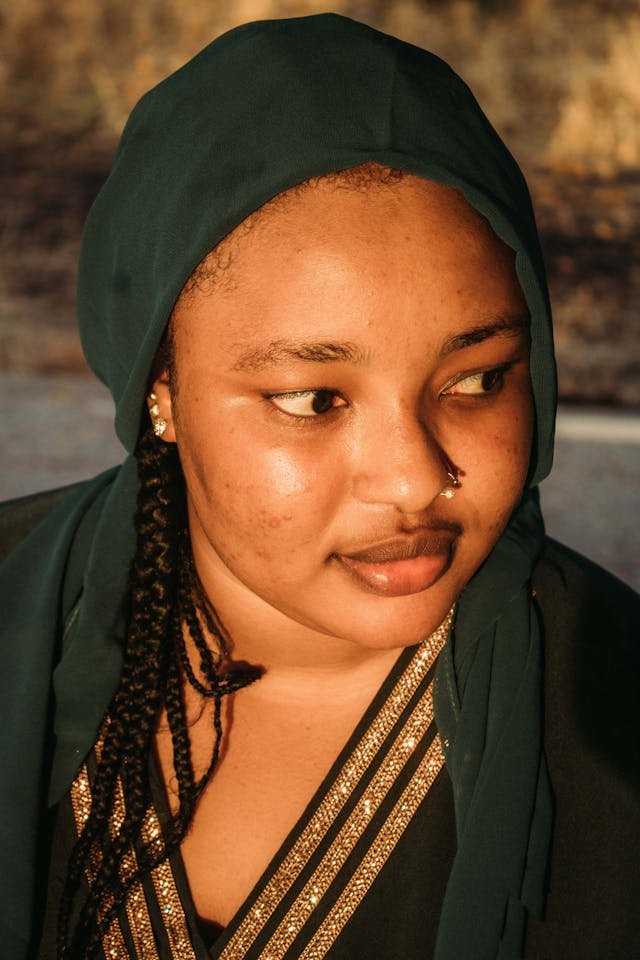
Rhinoplasty has traditionally focused on reshaping the nose, but for many individuals, the primary aim is more intricate: enhancing the nose’s appearance or proportion while preserving their unique facial features tied to their cultural identity.
This idea of balance is now a prominent theme in contemporary facial plastic surgery. Current approaches to ethnic rhinoplasty differ significantly from the outdated “one-size-fits-all” methods, with a strong emphasis on maintaining one’s identity while enhancing overall facial harmony.
In popular cosmetic surgery locations throughout the United States, especially in renowned centers like Scottsdale, discussions surrounding ethnic rhinoplasty typically emphasize this very issue. Patients seek to accentuate their cultural features rather than eliminate them, aiming for a look that resonates with their personal identity.
Here are six common techniques utilized by surgeons to uphold cultural facial attributes in ethnic rhinoplasty.
-
Focus on Facial Proportions Instead of Generic Nose Shapes
Individuals pursuing rhinoplasty often express a similar worry: they want to enhance their nose, yet they fear losing the distinctive characteristics that represent their heritage. This apprehension is founded on past trends that favored narrow nasal bridges and overly sculpted tips regardless of the individual’s unique facial structure.
As patients discover that contemporary methods prioritize facial harmony instead of imposing a uniform aesthetic, many turn to options like ethnic rhinoplasty in Scottsdale to mitigate their concerns. During consultations, surgeons typically assess the face in its entirety rather than concentrating solely on the nose itself.
This holistic view helps explain why experts at Starkman Facial Plastic Surgery consider rhinoplasty in terms of balance between structure, proportion, and cultural identity, rather than conforming to a singular beauty ideal. Many patients appreciate being presented with their facial analysis in this wider context, leading to a clearer understanding of how refinement can coexist with the preservation of their features.
-
Maintaining the Integrity of the Natural Nasal Bridge
Various ethnicities exhibit distinctive nasal bridge characteristics; some may have a higher, more defined bridge, while others tend to possess a softer or lower profile.
Historically, rhinoplasty methods often entailed drastic alterations to the bridge to conform to a narrow Western ideal. In contrast, present-day surgeons adopt a more restrained approach, acknowledging the bridge’s vital role in preserving cultural facial identity.
Surgeons may enhance minor imperfections while keeping the bridge’s height and width true to the patient’s natural build, thus preserving the nose’s original character alongside improvements in symmetry and balance.
-
Strengthening the Nasal Tip Rather Than Over-Refining It
The nasal tip varies widely among different ethnicities; some individuals may have a naturally rounder or softer tip due to factors such as skin and cartilage thickness. Older surgical techniques sometimes aimed to narrow the tip excessively, resulting in an artificial appearance or compromised nasal support.
Recent ethnic rhinoplasty techniques prioritize reinforcing the tip structure instead of drastically narrowing it. Techniques may include using cartilage grafts or careful reshaping to enhance definition while retaining the distinctive traits of the nose. This approach typically yields a more natural and harmonious look in relation to the overall facial structure.
-
Implementing Cartilage Grafts to Preserve Structural Integrity
The use of cartilage grafts has become a pivotal technique in ethnic rhinoplasty. These grafts enable surgeons to reshape and reinforce the nose while maintaining its natural proportions.
Cartilage typically comes from the nasal septum, ear, or occasionally the rib, depending on the amount of support needed for the nose. Once inserted, the graft serves as a supportive framework that bolsters the nose while directing its new shape.
This method proves invaluable for those whose noses demonstrate the need for subtle enhancement or improved symmetry rather than reduction. By focusing on structural enhancement instead of taking away, surgeons can refine the nose while still honoring the cultural features that are integral to its appearance.
-
Customizing Approaches Based on Skin Thickness
The thickness of the skin is a surprisingly crucial factor influencing rhinoplasty results. Individuals with thicker skin—common among various ethnic backgrounds—may experience differing outcomes compared to those with thinner skin. Thicker skin can obscure the changes made to the underlying cartilage, requiring surgeons to make structural modifications with care to ensure that the final appearance remains visible yet natural.
Instead of pursuing dramatic reductions, surgeons typically emphasize internal support and balanced reshaping. This tailored methodology aids in preserving natural contours while allowing the nose to heal with smooth, proportional lines.
-
Valuing Cultural Sensitivity During Consultations
Skill and technique alone cannot secure the preservation of cultural identity in rhinoplasty. The consultation phase is equally vital, facilitating doctors in understanding the nose features that patients prioritize.
Some individuals may wish to minimize a dorsal hump while maintaining the width of their nose. Others may desire to refine the tip while preserving the overall familial shape they inherited.
Such discussions shape the surgical strategy. Surgeons often review images, assess facial proportions, and examine how minor alterations may influence the overall appearance. When the consultation places equal emphasis on identity alongside aesthetics, the final result tends to reflect both refinement and authenticity.
Conclusion
Ethnic rhinoplasty marks an evolution in how facial plastic surgery perceives beauty and identity. Rather than conforming the nose to a universal standard, modern methods endeavor to improve facial harmony while safeguarding the traits that signify a patient’s cultural legacy.
With meticulous planning, structural reinforcement, cartilage grafting, and personalized consultations, surgeons can enhance the nose while still preserving its inherent characteristics. For many individuals, achieving this balance is pivotal. The aim is not to create an entirely new appearance but to help individuals look like the most balanced versions of themselves, with their cultural identity and heritage evident in their features.




Add Your Comment Cancel reply