


Effective planning is essential, and it should be a relaxed experience rather than a hassle. A few brief checks can help you avoid wasted time, missed appointments, or extended detours. Utilize the strategies below to validate the essentials before departing, establishing a simple routine that can bring benefits each week.
The Importance of Verification
Inaccurate information can result in lost time and finances. Often, these errors are minor, such as a wrong entrance or an outdated schedule, yet they accumulate quickly. A 2024 FTC analysis of consumer grievances highlighted that millions of individuals reported issues, emphasizing how frequently information leads to complications when we make assumptions rather than confirmations.
Verify the Location – Address and Entry Details
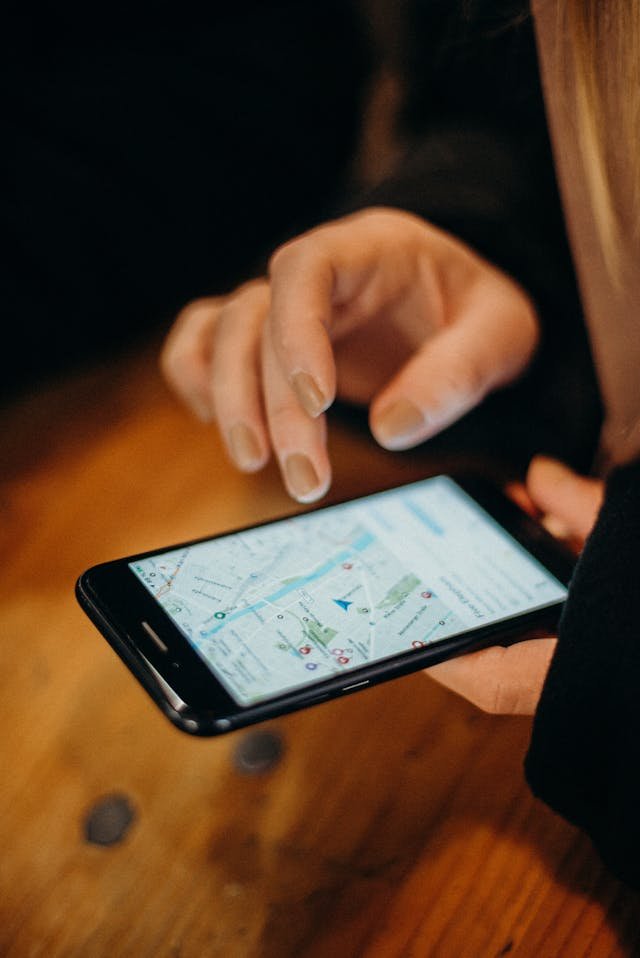
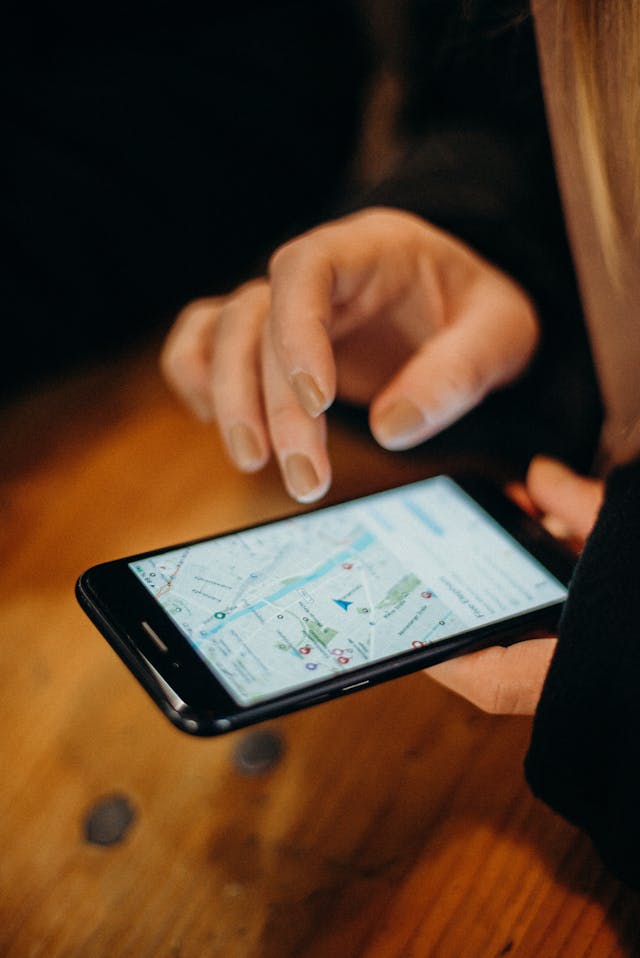
Begin by confirming the precise address and any specific entrance instructions. If your destination is within a complex, take note of suite numbers, building letters, or specific floors. Pin your location on a map and examine the area closely to determine which side of the street the entrance is on; a quick glance can significantly reduce the likelihood of getting lost. If additional assurance is needed, utilize tools to confirm the address’s accuracy and save the information for easy sharing with anyone meeting you.
For larger venues, review satellite views and street images to identify loading areas, visitor entrances, and ramps. If discrepancies arise between the images and your map, confirm by contacting the venue directly.
Clarify the Timing – Operating Hours, Closures, and Tickets
Check the official website for operating hours, then corroborate this information with business listings and their social media profiles. Be mindful of altered hours during holidays or seasonal changes. If tickets are required, verify the specified time in your confirmation email and be aware of any special entry policies.
Be Aware of Temporary Adjustments
Unexpected constructions or events such as pop-ups can alter entry points or schedules suddenly. If the last update appears outdated or absent, consider the information uncertain. A quick phone call can potentially save you from unnecessary delays.
Weather Conditions Can Affect Your Plans
Even straightforward plans can be affected by weather changes. Always check the weather forecast for your exact location during your planned time. If you’re driving, consider the forecast for your journey, not just your final destination.
Utilize resources from the National Weather Service that provide travel maps depicting real-time conditions along your route, so you can anticipate issues like wind, snow, or fog before they arise. Factor in extra travel time if adverse weather is expected, or confirm rain plans with the event host if your outing is outdoors.
Cross-verify with Various Sources
Relying on a single source may lead to misinformation. Conducting two or three quick checks can yield a more accurate understanding. Compare details across official websites, mapping services, and recent reviews.
- Look for recent updates in postings
- Ensure the same phone number appears in all listings
- Check that hours match in at least two sources
- Review the latest 3 to 5 comments for insights on any adjustments
- Examine photo timestamps for updates on signage or entryways
Inconsistencies in information should prompt you to assume the most conservative details until verified. This may include noting earlier closing times or limited ticket availability.
Seek Real-Time Inquiries via Call or Chat
Front desk personnel and event organizers usually have the latest information regarding closures, special reservations, or up-to-date protocols. Keep your inquiries concise and focused. Ask for current hours, the correct entrance, and any identification or payment requirements.
Sample Inquiry Script
You might say: Hello, I plan to arrive around 3 PM. Could you please confirm today’s hours, the entrance I should use, and if there’s on-site parking? This brief script will provide you with answers to the most common issues.
Travel Arrangements – Transportation and Parking
Routes may be affected by construction, parades, or large events. Review live updates from your navigation app, and look for announcements from the city or venue regarding possible impacts. Ensure you check the parking facility’s name, access road, and accepted payment methods before you arrive.
- Have an alternate route saved in case of closed access points
- Keep a screenshot of your parking reservation and QR code handy
- Note the parking garage’s height limit if driving a larger vehicle
- Check if the lot remains open overnight
- Allocate an additional 10 minutes for any vertical transportation needs
If using public transport, verify the correct stop and direction. Ensure you’re at the right platform, especially if it serves multiple lines, matching your intended destination. Consider setting a reminder so that you’re prepared to leave just before your bus or train arrives.
Understanding Ticketing, Reservations, and Site Policies
Read all terms regarding entry times and identification requirements thoroughly. Some venues may require the credit card used for the purchase to access tickets, even if a QR code is presented. If you’re bringing a bag, be aware of size restrictions and prohibited items.
Helpful Backup Strategies
Forward tickets to a trusted companion, or add them to a shared digital wallet. If connectivity might be an issue, ensure you store important documents offline. For dining plans, identify a backup restaurant nearby in case wait times grow unexpectedly.
Prepare for Future Needs – Notes, Screenshots, and Backups
Once you’ve confirmed the key details, consolidate them into one accessible platform you use regularly. Include the exact address, entrance details, suite or floor number, and a nearby landmark in your calendar entry. Document the contact number, booking reference, and parking garage information alongside the entry street. Mark the location on a map, rename it with the event name and date, and attach it to the same calendar entry for easy reference.
Take screenshots of essential information such as the route, hours of operation, ticket details, and any social media updates regarding changes. If your device permits, annotate the images with arrows or short messages like “Enter through the south door — elevator to the 3rd floor.” Store PDFs of tickets or confirmations offline, categorizing them clearly, for example, as “2026-02-10_museum_ticket.” Create a straightforward note template for future use: Address, Hours, Contact, Parking, Essentials, Backup Plan. A brief voice note can also be advantageous for intricate instructions.
Diverging information isn’t a deterrent; rather, it’s a prompt to reassess. If the address seems accurate, but the images are inconsistent, assume the label may be outdated. If hours contradict, prepare for the earlier closing until confirmed. This small habit of double-checking can transform what could be a chaotic rush into a seamless start, allowing you to enjoy your plans without unnecessary stress.




Add Your Comment Cancel reply