


This article is sponsored by State Farm. All views expressed are my own.
Our family is currently gearing up for our upcoming holiday. Due to our large family size, expenses related to travel, such as airfare or fuel and tolls, can accumulate quickly. This year, we have decided to economize by embarking on a road trip.

Planning for a road trip entails a bit more organization but it’s manageable. Beyond the regular packing checklist, it’s essential to account for various “what if” scenarios that may arise while traveling.
Assembling an emergency roadside kit is relatively easy, and it can be secured in an open cargo area using a bag or box with a lid.
Here are some essential items you might want to include:
- Jumper cables
- Flashlight
- Emergency flat-tire repair kit
- Hazard triangle, road flares, or a brightly colored distress flag
- Disposable rain poncho
- Screwdrivers and wrenches
- First-aid kit
- Cell phone and charger
- Backup battery for cell phone
- Cat litter or road salt for improving tire grip
- Duct tape for temporary repairs
- Bottled water and non-perishable snacks
- A blanket
Having these supplies readily available can significantly improve your chances during a roadside emergency.
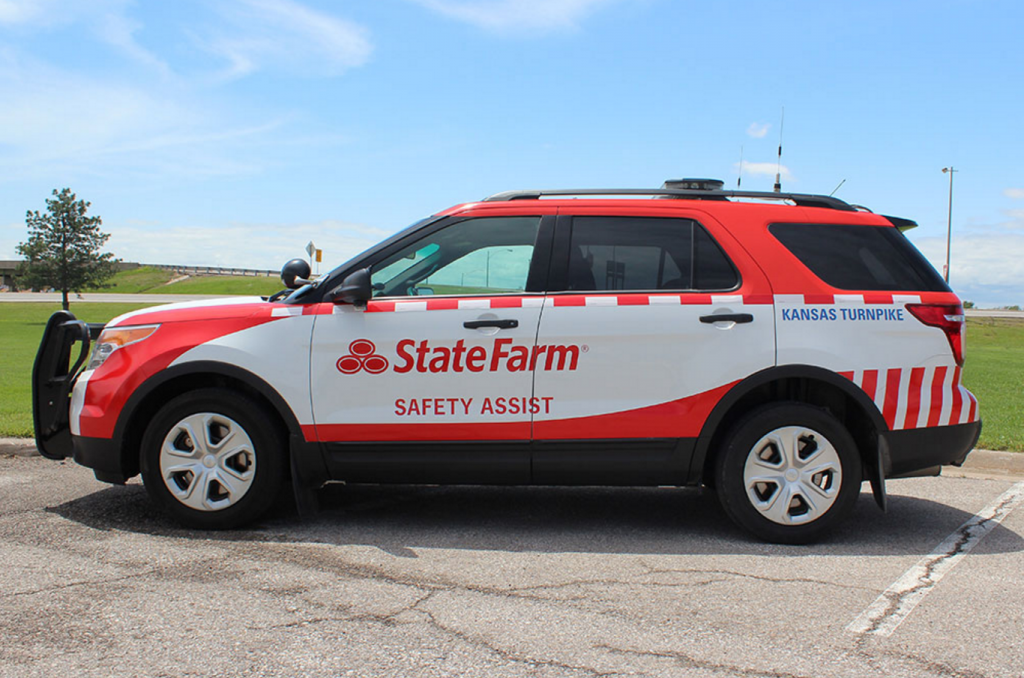
State Farm is dedicated to enhancing road safety; thus, they have partnered with state transportation departments to support highway safety via the Assist Patrol initiative. This fleet of Assist Patrol vehicles actively monitors highways for accidents, hazardous debris, and stranded drivers to provide assistance and ensure that motorists can continue their journeys safely. In times of unforeseen events, these State Farm-sponsored patrols contribute to making our roadways safer.
The roadside help offered is limited and entirely free for all drivers on public highways endorsed by the program, which operates across 15 states with 20 sponsored patrols. Click here to explore more about the State Farm Assist Patrol!
This article is sponsored by State Farm. All views expressed are my own.




says
This is a great collection of emergency kit essentials. A suggestion I’d add is that, if you’re traveling in frigid areas, it’s best to keep the kit inside the car rather than the trunk! You might find yourself unable to access your trunk. I’ve faced this issue before; the lock can freeze. Also, if an accident occurs, your trunk may be damaged and impossible to open. It may take some searching, but you can find a container that fits underneath the front seats.