


Maintaining an active lifestyle with hearing aids can be a delicate balance between comfort, awareness, and stability. Factors such as sweat, wind, noise from the gym, and workout attire can affect how clearly sounds are transmitted.
Adopting a few helpful practices can lead to a more seamless and enjoyable workout experience. The primary aim is straightforward: keep your devices comfortable, ensure sound clarity, and focus on your movements rather than on managing your equipment.

Establish a Quick Pre-Workout Checklist
A brief routine prior to exercising can prevent minor issues from distracting you during your workout. Start by washing your hands, ensuring your devices are clean, and confirming they are fully charged or have fresh batteries.
If mornings feel hurried, consider keeping a brief checklist to follow consistently. Many people find it helpful to refer to a list, such as the one available on owlhearing.com, to make sure they don’t overlook essential steps. Routine practices make it easier to detect changes, such as diminished sound quality or a fitting issue.
Stay aware of anything in contact with your outer ear, like hair, hats, or sunglasses. A quick glance in the mirror can help identify any mispositioned microphones or tangles before heading out for a session.
Select an Audio Setup That Works Well
Open-ear audio devices are often ideal for various workouts, as they help maintain an awareness of your surroundings. A 2024 review by the Guardian highlighted the Shokz OpenRun Pro 2’s IP55 water-resistance, which is beneficial for those who sweat during training.
Consideration for audio types extends beyond just water resistance. Open-ear designs can alleviate the “plugged-in” feeling associated with certain earbuds, benefiting your ability to remain alert in busy settings.
Streaming sound directly to your hearing aids allows you to keep the volume at a lower, clearer level. Testing the sound while jogging, doing burpees, or brisk walking helps you find the setup that feels the most stable.
Manage Sweat and Exposure to Water During Workouts
During activities like cardio, hot yoga, or summer workouts, sweat can accumulate significantly. Utilizing lightweight sweatbands or moisture-wicking coverings can help minimize direct moisture exposure around microphones and vents.
In workouts that generate heavy perspiration, short “air breaks” between sets may be advantageous. A quick towel dab around the ear area is often sufficient to prevent muffled sound.
Planning for potential water exposure is essential, as it’s not limited to just rain. Sudden splashes near pools, cold water bottles, and unexpected downpours can occur, so carrying a small zippered pouch can safeguard your devices during transitions.
Ensure Hearing Aids Stay in Place During High-Intensity Workouts
Issues with fit can arise during high-impact exercises like jumping, sprinting, or sudden movements. Utilizing retention options such as sport locks or snug ear domes can help minimize shifting without adding bulk.
A proper fit should feel secure without any discomfort. If soreness occurs after 20-30 minutes, it might indicate that the fit is too tight or not well-matched to the ear canal.
Making minor adjustments can help secure your devices:
- Opt for a headband that doesn’t obstruct the microphones.
- Avoid strapping a helmet too tightly over the hearing aids.
- Keep long hair secured away from the ears.
- Have an extra retention piece available in your gym bag.
Enjoy Outdoor Workouts While Staying Aware of Your Surroundings
Training outdoors can introduce wind and varying background noises, along with sound sources that can shift in proximity. When near traffic or cyclists, keeping volume levels managed is crucial for safety and spatial awareness.
Wind can create significant noise during gusts, bike rides, or while on exposed trails, making it challenging to hear speech or necessary cues. Wearing a hat with a brim, a light headband, or adjusting the device’s angle can help divert wind away from microphones.
Choosing the right route plays a larger role than many realize. Parks, tracks, and quieter streets usually present fewer sudden noise disturbances compared to busy intersections or construction areas, promoting a more stable sound environment.
Manage Noise in Gyms and During Group Sessions
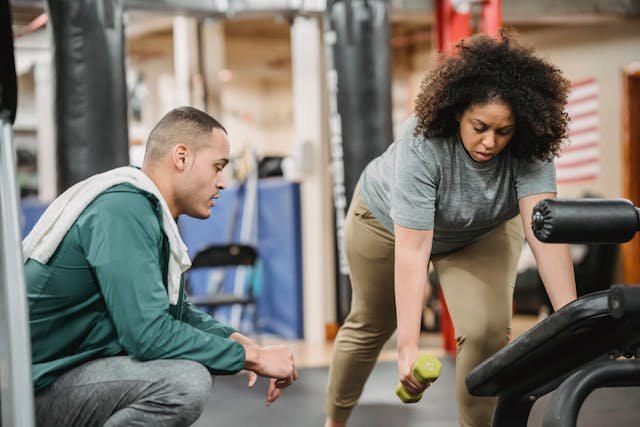
Gyms are often a blend of music, the sounds of weights being used, fans, and chatter from others. In these settings, voices can easily become background noise, making position critical.
Positioning closer to the instructor and facing the primary speaker can greatly enhance clarity. For partner exercises, establishing a quick hand signal communication system can keep you connected even when the environment is loud.
These practices can enhance communication in noisy group settings:
- Choose a location at the front of the class.
- Designate one training partner as the “message relay” to share instructions.
- Briefly pause during exercises for important directions.
- Use concise phrases during routines for better understanding.
Dry and Store Your Devices After Workouts
Proper post-workout care is often key to ensuring long-lasting reliability. Wiping down the devices followed by a brief drying period outside any sealed containers can allow humidity to evaporate prior to storage.
According to a PhonakPro audiology blog, research indicates that users of a moving warm-air drying system experience repairs roughly every 27.2 months, while those without this method require repairs approximately every 9.7 months. This data emphasizes how effective routine drying can extend longevity.
Additionally, storage considerations are important. Leaving devices in a humid bathroom or a tightly sealed bag immediately after workouts can trap moisture. A designated drying space at home can help manage daily sweat accumulation efficiently.
Recognize When to Adjust Settings or Seek a Re-Fit
Exercise conditions can alter rapidly; a setting that works on a quiet stroll may not perform well during high-noise intervals or in busy gyms. Many individuals benefit from a specialized “exercise” mode that balances noise reduction with clarity for speech and safety alerts.
It’s also crucial to understand that fit can fluctuate due to weight fluctuations, seasonal allergies, or ear-canal irritation. Observing trends over a few weeks is more productive than drawing conclusions from a single workout.
Look for indicators that your setup may no longer be effective, such as frequent feedback noises, muffled audio after sweating, or increased slippage of the devices. Making small tuning adjustments, acquiring new domes, or seeking a re-fit can restore a consistent and comfortable experience without altering your routine.
Living actively with hearing aids focuses less on having the ideal equipment and more on establishing reliable habits that work effectively in real workout situations. Developing a straightforward routine before, during, and after training can prevent minor issues from distracting you when your heart rate elevates.
When your gear fits securely, audio clarity is maintained, and drying becomes an automatic process, exercising becomes a seamlessly integrated part of your life again. The best approach is one that prioritizes comfort, supports situational awareness in both indoor gyms and outdoor environments, and remains effective even with changing conditions.


Add Your Comment Cancel reply