


For many Australian mothers, balancing exercise with daily responsibilities like school runs and dinner preparations can seem impossible. Many can relate to the struggle of feeling guilty for leaving their children to workout, which often leads to fitness goals being postponed indefinitely.

It’s essential to understand that achieving good health does not necessitate sacrificing family time. It’s about finding routines that fit into your existing lifestyle. Many women have uncovered that becoming healthy and strong doesn’t require excessive exercise. In fact, as you prioritize your well-being, your entire family benefits from a healthier version of you.
Rethinking Exercise
Traditional gym memberships can be impractical for busy mothers, requiring significant time commitments. However, staying active can take on many forms: a stroll around the block with a friend, a game of tag with the children at the park, or family bike rides during weekends are all valid exercise options.
Moms throughout Sydney’s North Shore are ingeniously weaving exercise into their busy schedules. With an abundance of parks and nature trails in the North Shore, outdoor workouts require minimal equipment and often no fees. Short yet consistent strength training sessions can be effective when performed regularly. In areas like Lane Cove, having top-notch fitness facilities nearby makes early morning workouts feasible before the chaos of the school day begins.
The fitness industry has recognized the need for flexible options, encouraging individuals to utilize the time they have right now rather than waiting for that elusive free window.
Involving Kids in Fitness
Your children can actually enhance your fitness efforts rather than derail them. Younger kids often enjoy the thrill of riding in jogging strollers while you run along scenic paths, and older kids might surprise you by eagerly joining you for hikes or agility courses laid out in the backyard.
By involving them in physical activities, you demonstrate that fitness is simply part of life, which is a more effective lesson than any talk could be. Playground visits can become great workout sessions; while they swing and slide, you can sneak in some lunges and squats with no equipment required.
Dancing around the kitchen before mealtime? That’s fitness too! Beyond calorie burn, these moments create lasting memories and exemplify how to care for oneself—something solo workouts cannot provide.
Establishing Firm Workout Time
The key is to treat your workouts as critical appointments. Set aside specific times on your calendar—like 6 AM on Mondays, Wednesdays, and Fridays—and defend those slots fiercely. For some, evenings work better once their partner is home.
The timing is less important than the consistency and the limits you set. Communicate your workout schedule to your family clearly. Fortunately, in Australia, you typically have access to quality facilities within a short distance, meaning travel won’t dominate your workout time.
Here are some practical tips:
- Pack your gym bag the night before.
- Team up with another mum.
- Prepare engaging podcasts for your workout sessions.
- Clearly communicate your routine.
While these strategies may seem basic, their effectiveness stems from daily application. Many find themselves stuck between what they know and taking action.
Focus on Shorter, Intense Workouts
More time does not necessarily translate to better outcomes. Just fifteen minutes of high-intensity intervals can yield cardiovascular benefits that would take moderate jogging 45 minutes to achieve. Compound movements that work several muscle groups simultaneously—like burpees and kettlebell swings—are particularly effective.
After a high-intensity workout, your body continues to burn calories for hours, which is crucial when managing a busy family life. Circuit-style training helps maintain an elevated heart rate by moving quickly between exercises, while Tabata routines maximize effort in just four-minute bursts.
When family commitments are overwhelming, prioritizing quality over quantity is vital. Slowly increasing weights or repetitions is more beneficial than merely logging time at the gym. Monitoring your strength and endurance progress can keep you motivated even during life’s chaotic phases.
Creating Your Support Network
Self-directed fitness journeys often lead to burnout. Connecting with other mothers who share similar fitness goals fosters accountability. Online communities, such as local Facebook groups, help mothers find workout partners or arrange childcare swaps.
Participating in classes offers social engagement while staying active, addressing the isolation that many moms feel. Friends who understand the balancing act reduce any lingering guilt. Partners might notice your improved mood and energy, making them more supportive of your fitness commitments.
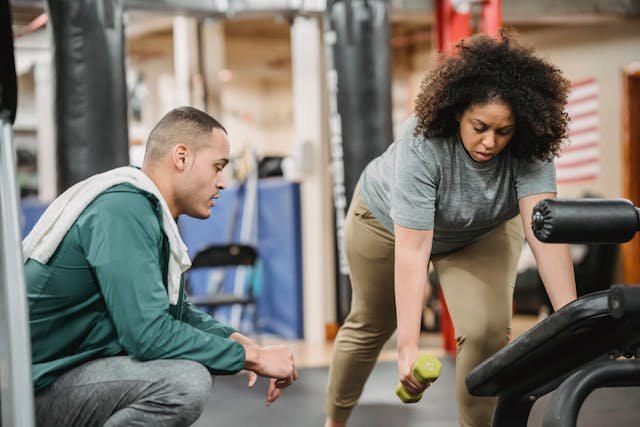
When the family witnesses the importance of your fitness journey, they may support your efforts by helping with babysitting. Coaches experienced in postnatal fitness can provide tailored guidance that generic programs often overlook. Building a support system acts as a safety net during weak moments, which everyone experiences. Nurturing relationships requires work, but the rewards are significant.
Effective Nutrition Strategies
Even persistent workout routines can be derailed by unhealthy eating habits. Planning meals on Sundays ensures nutritious options are readily available throughout the hectic week. Including protein in every meal stabilizes blood sugar and curbs cravings.
Stay hydrated! Adequate water intake is crucial for energy and workout efficacy. Keep filled water bottles visible to encourage drinking. Local markets provide fresh produce that simplifies healthy eating.
Getting your kids involved in meals turns cooking into a bonding experience and aligns family dinners with your health objectives. Preparing bulk meals allows easy access to healthy components throughout the week. Overly stringent meal planning can lead to failure; aiming for consistent improvement is often more beneficial than a rigid regimen.
Addressing Feelings of Guilt
The main obstacles are often psychological, revolving around feelings of guilt about taking time for oneself.
Feeling guilty for dedicating time to your fitness can hinder your progress; instead, think of this time as self-care rather than self-indulgence. Your children benefit from having a healthier, more energetic mom rather than one who is always present but fatigued. Improved physical strength fosters the mental resilience required for dealing with parenting’s unexpected challenges.
Managing multiple roles demands effective stress management, easily attained through regular physical activity. Exercise alleviates tension and enhances sleep quality, which positively affects the entire family. View rest and recovery as essential to your health rather than a sign of laziness. It’s essential to give yourself permission to prioritize your needs, recognizing that it’s vital to your well-being.
Adapting to Seasonal Changes
Your fitness routine should adjust with seasonal changes and shifting family commitments. The summer necessitates different plans than during the school year. Warmer weather encourages outdoor activities and lively play with the children.
Conversely, winter may require you to shift your workouts indoors or adjust timing to accommodate limited daylight. Holiday seasons often involve shorter workout sessions or engaging children in your activities. During busy periods like birthdays or holidays, opt for maintenance rather than ambitious goals.
Access to indoor training options can prevent abandonment of fitness routines due to inclement weather. Embracing flexibility rather than giving up ensures that challenges won’t derail your progress.
Tracking Authentic Progress
Daily weight fluctuations can be misleading and often don’t reflect true body changes. Better indicators of health include how your clothes fit, your energy levels throughout the day, and improvements in strength.
Taking monthly progress photos can reveal transformations that you might overlook as you become accustomed to your reflection. Keeping performance records allows you to see real progress over time, whether through increased strength or improved timings. Factors like sleep quality and mood stability offer insight into improvements in your overall health that numbers alone can’t capture.
Consider measuring:
- Fit of jeans around the waist and hips
- Sustainability of afternoon energy patterns
- Improvements in weightlifting performance
- Quality and duration of sleep
- Variations in emotional wellness
Mothers managing households often appreciate the increased stamina that comes with regular activity. Lesser reliance on caffeine indicates improved metabolism, and when your kids notice your energy levels and playful demeanor? That’s when the benefits of fitness are evident in real life.
Utilizing multiple measures of progress prevents fixation on one specific number. A broader perspective helps maintain motivation when scale numbers stagnate, despite continued efforts.
Taking Initiative Now
Balancing motherhood and exercise doesn’t require extraordinary abilities or major sacrifices. It calls for a sincere assessment of time, strategic planning, and a firm commitment to prioritize health.
Steady, small adjustments surpass sporadic efforts every time. Leveraging community resources and nearby fitness facilities supports your goals when you choose to engage with them. Your children learn invaluable lessons about wellness and self-esteem from observing your actions more than from directives.
This week, focus on making one manageable change instead of attempting a complete life overhaul. By taking small steps, you create momentum that facilitates future adjustments. Feeling strong and invigorated while raising a family is neither selfish nor unrealistic. The crucial question to consider isn’t whether you have enough time; it’s whether you’ll prioritize that time, as it undoubtedly matters.



Add Your Comment Cancel reply