


Considering liposuction can be thrilling, but it’s entirely reasonable to take a moment to evaluate whether you’re an appropriate candidate. In places renowned for their beauty salons, like Beverly Hills, cosmetic surgeries are prevalent. However, each surgeon adheres to a specific set of criteria before proceeding. Liposuction isn’t a universal solution; being aware of what factors surgeons assess can help you avoid unnecessary stress and disappointment.
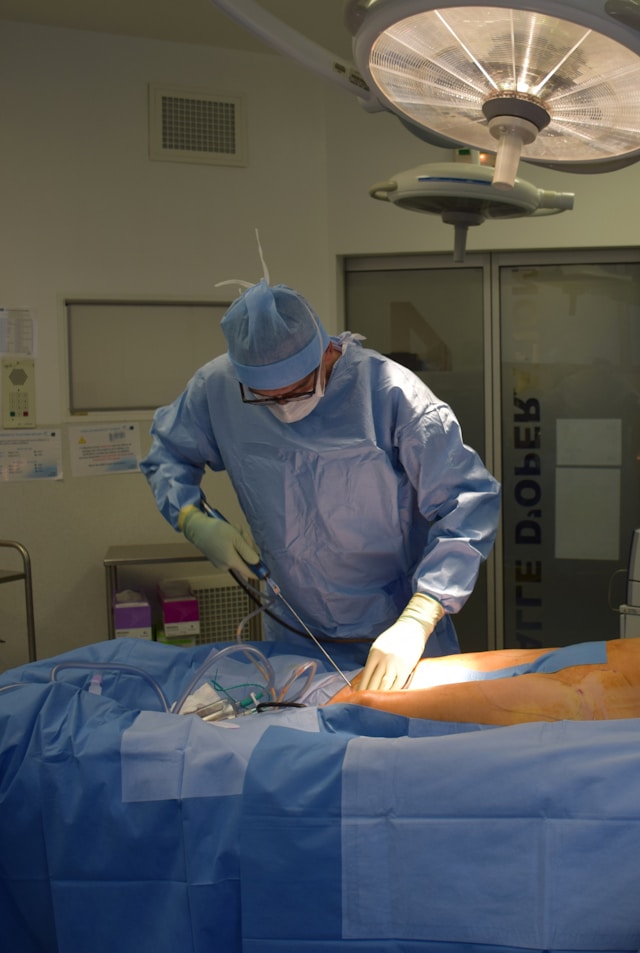
Before scheduling a consultation, it’s beneficial to familiarize yourself with the essential factors healthcare professionals consider. While many individuals primarily focus on persistent fat in areas such as the abdomen or thighs, surgeons evaluate more than just aesthetic issues. Their assessments are centered around safety, desirable outcomes, and lasting satisfaction.
Here are four critical aspects that surgeons typically evaluate before approving a procedure.
1. General Health and Medical Background
The health of the patient sets the foundation for candidacy. Liposuction is a surgical operation, and therefore, chronic health issues and medications need thorough evaluation. Common concerns involve cardiovascular issues, lung conditions, diabetes, hypertension, and clotting disorders. Surgeons will inquire about prior surgeries, scarring, and any reactions to anesthesia.
Our observations reveal that even minor health challenges can affect the surgical techniques used, the areas deemed treatable, and the extent of post-operative monitoring. Factors like blood pressure and body mass index are crucial as they can impact safety during the procedure and recovery. If you smoke or use nicotine, you are typically advised to refrain from using them prior to surgery since smoking narrows blood vessels and impedes healing, thus heightening the risk of complications.
Additionally, patients with autoimmune diseases or certain chronic conditions may require further assessments prior to surgery. Surgeons consider all these factors to ensure both safety and optimal results.
2. Body Proportions and Fat Distribution
Fat does not always react uniformly to liposuction. Surgeons investigate the specific areas of fat deposition, the firmness of adjacent tissues, and whether the skin will retract favorably after the fat is removed. This explains why two individuals with similar body weights might achieve strikingly different results.
It is crucial to understand that liposuction in Beverly Hills is considered a technique for body sculpting, not a weight-loss solution. Surgeons anticipate that you should be at or near your ideal weight while targeting resistant fat deposits. It’s not suitable for every part of the body, and doctors like Leif Rogers, MD, can provide insight into which areas are best for treatment and which may necessitate other procedures. Advanced modalities like suction-assisted lipectomy are tailored for areas such as the abdomen, thighs, hips, and arms. Methods such as tumescent liposuction or ultrasound-assisted techniques may also be utilized based on the patient’s body type to achieve natural-looking results.
3. Skin Condition and Elasticity
The elasticity of the skin plays a significant role in determining candidacy. If the skin is loose or significantly stretched, fat removal might result in sagging. Surgeons assess skin elasticity by pinching and stretching it to gauge its ability to tighten post-procedure.
In some cases, liposuction may be paired with procedures aimed at tightening the skin, particularly for older individuals or those who have undergone substantial weight loss. Surgeons aim to prevent scenarios where fat is discarded, but the skin remains loose, as this could lead to dissatisfaction and possibly require a follow-up procedure. This aspect emphasizes that candidacy involves more than just fat volume; it includes how the body will respond afterwards.
4. Realistic Goals and Motivation
A patient’s mindset is just as crucial as their physical state. Surgeons take the time to delve into your objectives to see if they align with what liposuction can realistically accomplish. Candidates expecting substantial weight loss may not be ideal, as liposuction is primarily for contouring rather than significant reduction.
- Individuals with clear, attainable goals typically report higher satisfaction with their results.
- Patients driven by health improvements or enhancing body proportions, rather than outside influences, often undergo a smoother recovery process.
- Surgeons will inform you about expected swelling, bruising, and the timeline for achieving visible results.
Mental preparedness is an additional consideration. Some patients may be advised to consult a mental health professional if body image issues or unrealistic expectations might impact their overall satisfaction.
In Summary
After evaluating these factors, a surgeon can ascertain your eligibility for the procedure. Many clinics also require laboratory tests and imaging to guarantee safety during the surgery. Being informed ahead of time leads to more fruitful consultations and minimizes unexpected developments.
Ultimately, the criteria for liposuction candidacy revolve around your health status, body composition, skin properties, and the realism of your expectations. Being knowledgeable prior to your consultation helps ensure that both you and your surgeon have a mutual understanding, leading to a smoother process and improved outcomes.




Add Your Comment Cancel reply