


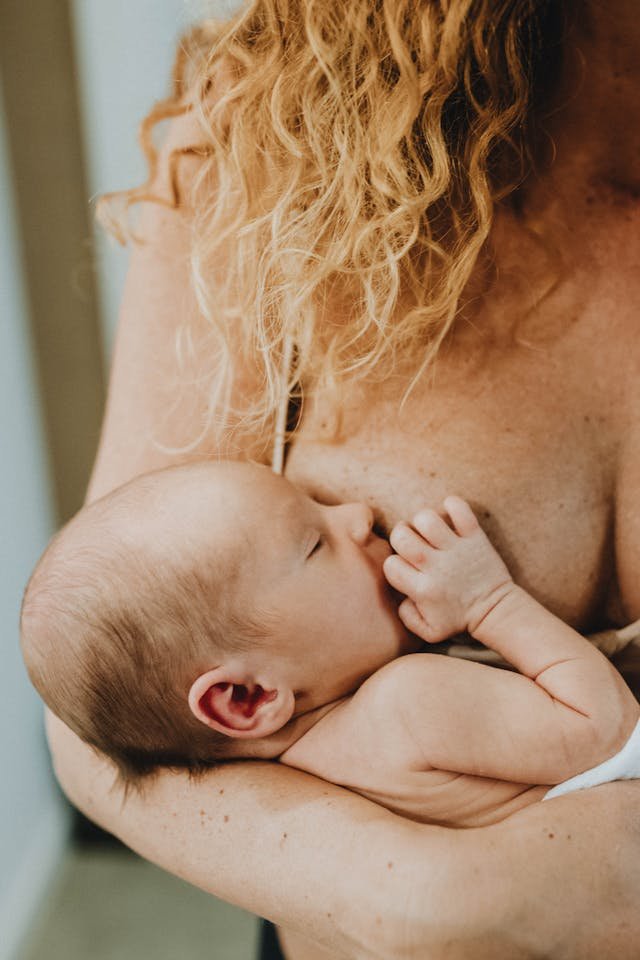
While new mothers often anticipate sleepless nights and constant diaper changes, many are taken aback by the hair loss that typically begins approximately three months after giving birth. It’s not uncommon to find strands in the shower drain, scattered across the pillow, or even tangled in the baby’s delicate fingers. Although it can seem alarming, rest assured that this is a normal occurrence.
Fortunately, postpartum hair loss is temporary. However, “temporary” can span anywhere from six to twelve months, during which you may notice your hair getting thinner. Using products that are specifically formulated for thinning hair—like a shampoo bar enriched with rosemary and biotin —can assist in promoting scalp health and supporting hair regrowth. Gaining a better understanding of this process can alleviate some anxiety.
Understanding the Process
Throughout pregnancy, increased estrogen levels prolong the hair growth phase, causing strands that would typically fall out to remain in place. This is the reason why hair often appears fuller and denser during pregnancy.
After giving birth, there is a notable drop in estrogen levels, leading to the simultaneous shedding of hair that was retained during the pregnancy. The medical term for this phenomenon is telogen effluvium, which tends to peak around three to four months postpartum.
It’s important to note that this won’t result in baldness; it simply means the “extra” hair accumulated during pregnancy is finally falling out. Yet, spotting hair in unexpected places—like in the baby’s diaper or littered across the bathroom floor—can still feel unsettling.
Timeline of Shedding
Most women start to notice increased shedding about two to four months after childbirth, peaking between four to six months, then gradually tapering off. Typically, by the time the baby turns one, hair density returns to pre-pregnancy levels.
However, some women may experience prolonged hair loss, especially if they are breastfeeding, as hormones remain imbalanced during this time. Additionally, those with a history of fine or thinning hair may notice a more pronounced postpartum hair shedding phase.
If hair loss persists beyond a year, or if it appears patchy instead of overall thinning, it’s advisable to consult a healthcare provider. There can be underlying conditions like thyroid issues or iron deficiency that contribute to this issue.
Nutritional Factors
Carrying a baby can deplete vital nutrients from the body, including iron, zinc, vitamin D, and various B vitamins, and this depletion continues during breastfeeding. Deficiencies in these nutrients can lead to hair loss that exceeds the typical postpartum shedding.
Iron deficiency is particularly significant; postpartum anemia often goes underdiagnosed, as symptoms like fatigue, weakness, and brain fog overlap with the general exhaustion that accompanies new parenthood. A blood test can assess ferritin levels, and if found low, iron supplementation can benefit hair growth as well as overall energy levels.
Moreover, protein intake is crucial, as hair is composed of keratin, which necessitates adequate protein for its production. It’s common for new mothers to struggle to meet their protein needs due to the challenges of multitasking and caring for a newborn.
Ways to Support Hair Health
While postpartum shedding is inevitable, there are methods to encourage healthy regrowth and minimize breakage.
Stimulating the scalp can enhance blood flow to hair follicles. For instance, rosemary extract has been shown to support circulation and may aid hair growth—one study even compared its effects favorably to minoxidil. Massaging the scalp during shampooing is a beneficial and cost-free practice, particularly valuable for those operating on little sleep.
Gentle cleaning is essential, as harsh sulfates can weaken delicate hair strands and aggravate postpartum scalps. Opting for gentler surfactants can reduce breakage with each wash.
Biotin plays a role in keratin production and is frequently found in prenatal vitamins, making it beneficial to continue these supplements postpartum for hair health.
Additionally, protein-based hair treatments containing hydrolyzed quinoa or rice protein can help reinforce new growth and diminish breakage. While they don’t promote hair regrowth, they can enhance the appearance of existing hair.
Things That Don’t Help
Experiencing panic is counterproductive, as stress can prolong the shedding phase. Telogen effluvium is often triggered by physical stressors, and chronic stress exacerbates this issue.
Additionally, aggressive styling can be detrimental. Postpartum hair is particularly fragile, making tight ponytails, heat tools, and harsh chemicals more likely to cause breakage. Instead, opt for loose hairstyles such as braids or clips.
Be cautious with expensive supplements that contain proprietary blends. If the label does not specify the exact amounts of ingredients, it may not be worth the investment. Essential nutrients for hair health—such as iron, zinc, biotin, and vitamin D—are available at a low cost as individual supplements or within a good prenatal vitamin.
The Importance of Patience
Postpartum hair loss largely requires patience. Hormonal levels need to normalize, and the body must recuperate. In time, hair will regrow.
By ensuring adequate nutrition, treating hair gently, and using products that promote strength rather than stripping away essentials, the waiting period can be less stressful. Within a year, those delicate baby hairs will return around your hairline.

Add Your Comment Cancel reply