


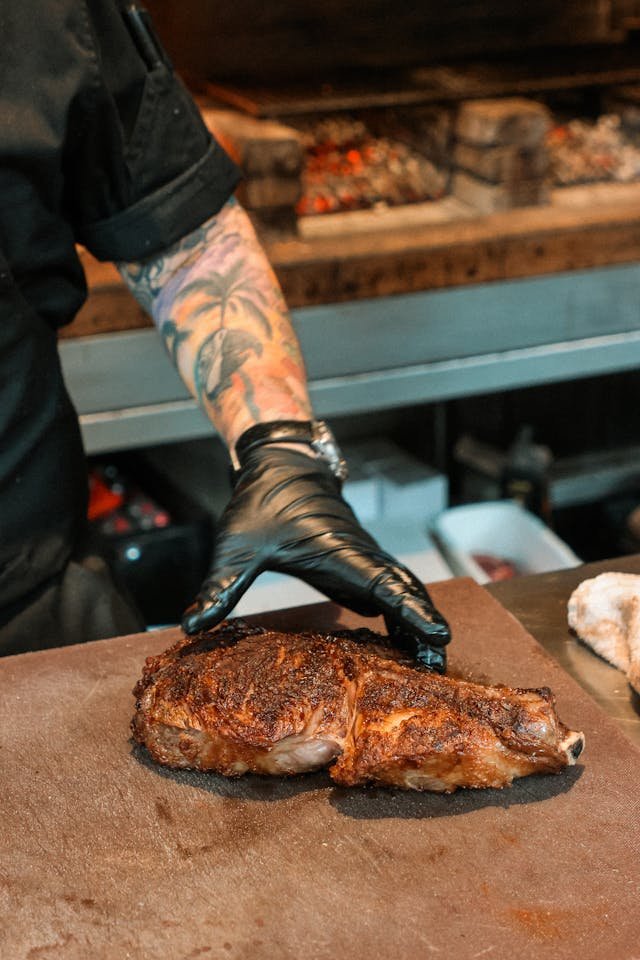
Ribeye steak is a quintessential choice for upscale dining, originating from the rib area of a cow, specifically from ribs six to twelve. Known for its exquisite marbling, tenderness, and rich taste, this premium cut is produced through expert butchery and meticulous selection processes, ensuring high quality that diners anticipate.
Professional butchers take great care in separating the ribeye from the rib primal, achieving cuts that preserve its signature texture and fat distribution. The marbling—intramuscular fat—contributes significantly to the ribeye’s juiciness and flavor. Unlike leaner cuts, the fat within a ribeye melts beautifully when cooked, enhancing the meat’s flavor profile.
The care continues post-butchery, as storage and aging play a vital role. Dry-aging helps develop flavor and tenderness by allowing natural enzymes to break down muscle fibers over several weeks. This careful aging process results in the rich, nutty flavors that many steak lovers cherish.
Why Ribeye Stands Out: Flavor and Texture
Ribeye’s distinctiveness lies in its ideal combination of flavor and texture. The marbling provides a delicate softness that melts in the mouth, while also functioning as a flavor carrier, ensuring a delightful culinary experience.
Its flavor profile is unmatched, blending a deep beefiness with a subtle sweetness enhanced by its fat content. Particularly renowned is the cap of the ribeye, known as the spinalis dorsi, which offers juicy richness and potent flavor, providing a delightful contrast to the central eye of the steak.
Additionally, the ribeye’s versatility in various cooking methods makes it a favorite among chefs and home cooks alike. Whether seared in a cast-iron skillet, grilled to perfection, or broiled, the ribeye consistently offers outstanding results, reinforcing its status as a leading choice of steak.
Choosing the Perfect Ribeye: What to Look For
To select the ideal ribeye steak, it’s essential to recognize quality indicators and beef grading. The USDA categorizes beef primarily into three grades: Prime, Choice, and Select. Prime-grade ribeye, sourced from well-marbled cattle, epitomizes quality with its exceptional tenderness and flavor.
When shopping for ribeye, prioritize marbling; look for fine, evenly-spread fat in the muscle. Cuts with large exterior fat pieces should be avoided as they can lessen the overall dining experience. Also, thickness matters; aim for steaks that are at least one inch thick for an optimal sear and juicy center.
For those seeking a superior culinary experience, premium options like Wagyu beef can be considered. Brands such as destinationwagyu.com offer wonderfully marbled ribeye steaks that melt in your mouth, providing a dining experience equivalent to that found in high-end steakhouses, delivered right to your home.
Preparing Ribeye for Cooking: Techniques and Tips
Optimal preparation is crucial to unlocking the full potential of a ribeye steak. It is important to bring the steak to room temperature before cooking; letting it rest outside of the refrigerator for 30 to 60 minutes aids in even cooking, preventing overcooking of the exterior while keeping the center cool.
Keep seasoning simple yet effective. Coarse salt and freshly ground black pepper can amplify the steak’s natural flavors. For extra taste, a garlic herb butter or a dry rub with paprika, garlic powder, and cayenne can be wonderful additions.
When cooking, high heat is key. Searing the steak at a high temperature generates a Maillard reaction, creating that coveted golden-brown crust which enhances both texture and flavor. The reverse-sear technique—slow cooking in the oven followed by a high-heat sear—also guarantees a superb crust along with a tender interior.
Cooking Methods: Sear, Grill, or Broil?
The adaptability of ribeye steak shines through in various cooking methods, each one contributing to its unique flavor and texture.
Searing is perfect for those who appreciate a crusty exterior paired with a juicy, medium-rare interior. A hot cast-iron skillet is excellent for achieving this. Flavors can be further developed by incorporating butter, garlic, and fresh herbs during cooking.
Grilling introduces a smoky flavor that complements the ribeye’s richness. Charcoal grilling adds a depth that is hard to replicate through other methods. To manage flare-ups caused by dripping fat, consider using a two-zone grilling setup: direct heat for searing and indirect heat for cooking through.
Broiling is a convenient cooking option, especially during colder months when outdoor grilling isn’t possible. Placing the steak close to the broiler ensures a beautifully caramelized crust while retaining juices; rotating the steak halfway through guarantees consistent results.
Savoring the Ribeye: Pairings and Presentation
To elevate the ribeye dining experience, thoughtful side pairings and attractive presentation are essential. Creamy mashed potatoes, roasted asparagus, or a fresh arugula salad complement the richness of the steak. For a bolder choice, consider truffle mac and cheese or caramelized Brussels sprouts.
Wine pairings also enhance the ribeye experience. Full-bodied reds like Cabernet Sauvignon or Malbec complement the steak’s robust flavors and fat content well. For white wine enthusiasts, a buttery Chardonnay can create a delightful pairing.
Presentation plays a significant role too. Let the steak rest for five to ten minutes post-cooking to allow juices to redistribute. Slicing against the grain yields optimal tenderness while serving on a warmed plate. A garnish of fresh rosemary or a drizzle of balsamic glaze offers an appealing visual touch.
The Ribeye’s Role in Culinary Culture
Ribeye steak occupies a prominent position in culinary culture, symbolizing indulgence and quality. Its evolution—from being a butcher’s secret to a highlighted menu item in renowned steakhouses—demonstrates its widespread allure. The ribeye’s fame has grown in tandem with the changing preferences of steak aficionados, who increasingly appreciate quality and craftsmanship.
As the food culture shifts towards sustainability and ethical sourcing, the ribeye has become a symbol of conscientious consumption. Premium producers emphasize humane practices and top-quality feed, guaranteeing a product that resonates with consumer values. This transition has elevated the ribeye, turning it into a culinary emblem.
Whether enjoyed at a casual barbecue or in a Michelin-starred restaurant, ribeye steak continues to enchant diners. Its unrivaled flavor, tenderness, and cooking versatility ensure that it retains its position as a favorite among steak lovers, celebrating the timeless art of steak preparation and enjoyment.




Add Your Comment Cancel reply