


The impact of nurses on a patient’s healing journey is often underrated. Their involvement significantly contributes to feelings of comfort, safety, and confidence throughout the treatment process. When patients arrive at a medical facility, initial uncertainty can be eased by the steady support and guidance provided by nurses, transforming their experience.
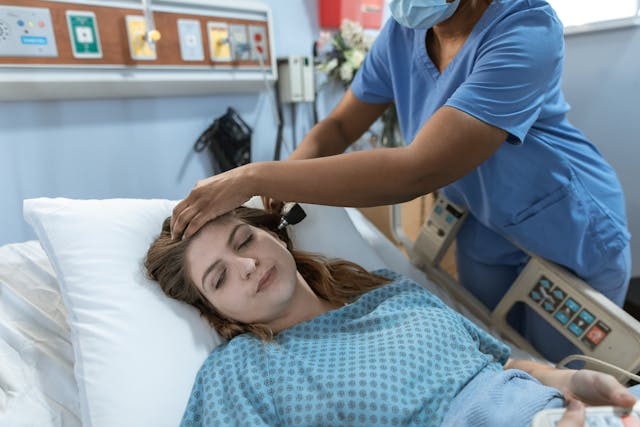
Image Source
Combining clinical expertise with emotional intelligence, nurses enhance health outcomes across a variety of situations. Each interaction counts, and every choice made by nurses leads to healthier and more stable outcomes. Their contributions go far beyond routine functions, highlighting their ability to positively influence the entire patient experience.
The Essential Role of Nurses in Today’s Healthcare Environment
Nurses are pivotal in ensuring that patient needs are continually recognized and addressed within healthcare teams. They are adept at noticing subtle changes in patient conditions that others might overlook in a busy clinical setting. Given that patients spend a significant amount of their time with nursing staff, forming trust becomes a natural process throughout the course of care.
Nurses facilitate discussions, clarify care plans, and actively engage patients in their recovery. These regular interactions offer structure to potentially confusing or intimidating moments. When patients feel grounded, care becomes more coherent, a sensation often fostered by nurses.
The Power of Human Connection in Patient Healing
Healing thrives in an environment filled with compassion. Positive patient progress is often linked to open and genuine communication, and nurses play a crucial role in establishing this environment through their consistent presence and active listening. By feeling acknowledged, patients are more likely to disclose critical information about their health concerns.
Such insights can steer treatment approaches and bolster collaboration between patients and healthcare providers. These advancements largely arise from strong interpersonal skills; the nurturing aspects of nursing create a rapport that alleviates anxiety and inspires confidence. When nurses communicate with clarity and patience, it enhances the level of comfort, thus promoting better cooperation in the recovery journey. Important nursing qualities such as empathy, effective communication, teamwork, and problem-solving play a significant role in delivering quality care and achieving favorable patient outcomes.
The Role of Clinical Judgment in Successful Treatments
Clinical judgment is critical for nurses as they navigate rapidly changing situations. A seemingly minor alteration in breathing, skin color, or alertness can have significant implications, and experienced nurses can interpret these subtle signs. Quick recognition can prevent complications and provides physicians with a chance to act before conditions escalate.
Nurses analyze each situation using a blend of clinical training, education, and intuition supported by evidence-based practices. This reliable decision-making contributes significantly to the efficacy of treatment plans. Patients benefit when nurses act swiftly, express concerns transparently, and help organize subsequent steps in their care. Strong clinical judgment increases safety and often dictates the ease with which patients achieve stability.
The Necessity of Patient Education and Advocacy
Providing clear explanations is essential for helping patients grasp the significance of their treatment. Nurses offer answers to questions that arise during care, fostering confidence around their medical journey. When understanding is accessible, patients are generally more inclined to adhere to treatment guidelines. Advocacy is another critical facet of nursing, ensuring that patient preferences remain front and center.
Nurses voice concerns when treatments may not align well with a patient’s needs or when discomfort or confusion arises. This protective role upholds patient rights and encourages active involvement in decision-making processes. Informed and respected patients typically take more ownership of their recovery, resulting in improved long-term health outcomes.
The Influence of Nurse-led Coordination Across Healthcare Teams
Care is optimized when communication among providers is seamless. Nurses play a vital role in synthesizing information from various healthcare professionals—specialists, physicians, and therapists—ensuring that everyone possesses a comprehensive understanding of the patient’s situation. This coordination minimizes the chance of misunderstandings that could postpone treatment or induce undue stress.
Patients encounter fewer interruptions in their care when nurses manage updates, clarify instructions, and promote consistent follow-through. Team members rely on nurses to align care objectives, particularly in multidisciplinary contexts. This continuous coordination allows for a smoother transition through different stages of recovery, ultimately enhancing overall outcomes.
The Role of Cultural Sensitivity in Enhancing Quality of Care
Patients arrive with diverse beliefs, customs, and expectations influenced by their backgrounds and individual experiences. Recognizing these cultural nuances allows nurses to engage with each patient respectfully and thoughtfully. Care becomes more impactful when the communication aligns with the values and preferences of patients.
When patients feel their cultural backgrounds are appreciated, they are often more forthcoming during assessments and discussions. This openness provides nurses with valuable insights into symptoms, lifestyle considerations, and potential obstacles to effective treatment. Cultural competence also mitigates miscommunications that could hinder progress.
The Strength Nurses Provide in High-Pressure Scenarios
Medical emergencies test both emotional strength and clinical skill. In chaotic situations, nurses provide stability, offering calm instruction that allows healthcare teams to respond effectively. Their presence reassures patients who may be overwhelmed by anxiety or pain. A composed nurse can soothe worried family members, guide patients through complex procedures, and support colleagues by maintaining clear communication during critical intervals.
These competencies develop over years of experience across various scenarios. Patients reap the benefits of this reliability, creating an environment of safety even amid uncertainty. When nurses take the time to explain situations, families also receive reassurance regarding the ongoing care efforts.
The Enduring Value of Nurse-Patient Relationships
Meaningful relationships foster an environment that enhances both the quality of care and long-term outcomes beyond hospital stays. Many patients carry memorable conversations with nurses well past their treatment period, influencing their future health decisions.
Ongoing trust often empowers patients to adhere to medication regimens, attend follow-up appointments, and embrace healthier lifestyles.Nurses assist patients in adapting to lifestyle modifications, providing encouragement through challenges and helping them recognize realistic benchmarks for progress. These enduring relationships transform brief periods of care into continuous motivation for improved health.
Nurses significantly influence health outcomes through a distinctive combination of expertise, communication skills, and empathy. Their ability to detect minute changes, clarify complex ideas, and guide patients through stressful situations is pivotal at almost every care stage. As trust builds through attentive listening and clear responses, recovery is fortified.
Effective multi-disciplinary team coordination is enhanced as nurses ensure smooth information exchange and ensure that every aspect of the care journey aligns with patient goals. Cultural sensitivity, emotional stability, and intentional relationship-building round out a skillset that extends well beyond specific tasks. Consequently, patient outcomes frequently improve as a result of a nurse’s commitment to connect, observe, and act purposefully.




Add Your Comment Cancel reply