


In today’s world heavily influenced by technology, keeping your eyes healthy is of utmost importance as extended screen exposure and various environmental elements can exert additional stress on our vision. Regular check-ups, a nutritious diet, and safeguarding your eyes against UV rays are essential measures to uphold eye health.
The blue light from digital screens can lead to sleep disturbances and symptoms of digital eye strain. Implementing straightforward practices, such as taking periodic breaks and employing protective spectacles, can shield your eyes and prevent long-term harm.
Schedule Regular Eye Check-Ups
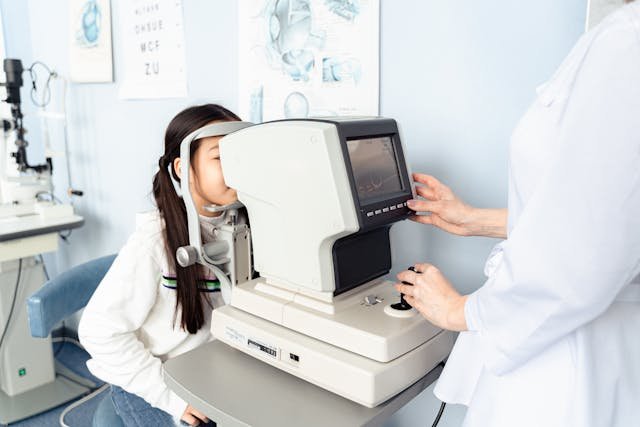
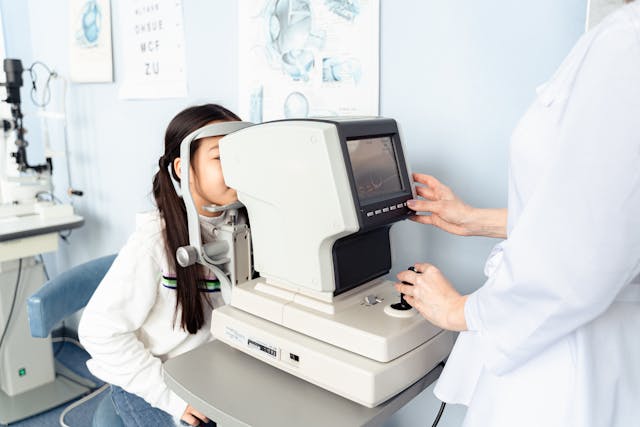
It’s vital to have regular eye examinations as they can help in identifying potential problems early on. Even if vision seems stable, an optometric review can uncover early indications of issues like glaucoma or macular degeneration. Eye care professionals can evaluate your ocular health and suggest corrective lenses when necessary, which is critical to avoid further deterioration.
Regular assessments are essential for tracking changes in your vision. Individuals of all ages—including children, adults, and seniors—should prioritize regular screenings to ensure optimal visual performance.
Detecting conditions early can greatly enhance the chances of preserving your eyesight. If you’re spending substantial time in front of digital screens, your optometrist might provide tactics for alleviating digital eye strain.
Reduce Exposure to Blue Light and Limit Screen Time
Exposure to blue light from screens poses significant concerns for ocular health. Extended screen time may lead to symptoms of digital eye strain, such as dryness, discomfort, and blurry vision. Additionally, this light can interfere with sleep by disrupting melatonin production, which is crucial for maintaining a healthy sleep cycle.
To counteract blue light exposure, consider adopting the 20-20-20 rule: every 20 minutes, take a 20-second break to look at something 20 feet away. This simple practice can help alleviate stress on your eyes.
Wearing blue light filtering glasses can significantly minimize eye strain and enhance sleep quality for those who routinely use screens for extended periods.
Shield Your Eyes From UV Rays
Just as skin requires shielding from harmful UV rays, so do your eyes. Prolonged exposure to ultraviolet radiation may elevate the risk of developing cataracts and other severe ocular disorders. To diminish this risk, it is essential to wear sunglasses that provide 100% UV protection when outdoors.
Opting for polarized sunglasses can be particularly beneficial, as they help minimize glare from reflective surfaces, such as water or roads, reducing eye strain and enhancing visibility in bright light. Ensure you select high-quality sunglasses, as lower-priced alternatives may not adequately protect against UV rays.
Wide-brimmed hats also contribute additional protection against UV exposure. Implementing these basic strategies can play a vital role in preserving your eye health and averting long-lasting damage from harmful rays.
Adopt a Nutritious Diet for Optimal Eyesight
Diet has a direct correlation with eye health. Key nutrients like vitamins A and C, as well as omega-3 fatty acids, are essential for maintaining retinal health and reducing the risk of age-related eye disorders. Foods such as carrots, leafy vegetables, fish like salmon, and nuts are excellent choices to enhance your vision.
Antioxidants found in foods such as berries, spinach, and kale can help safeguard your eyes against oxidative stress and potential damage. A nutrient-rich diet may slow the progression of macular degeneration, a leading cause of vision loss among the elderly.
By incorporating these foods into your daily meals, you ensure your eyes receive the nutrition needed for long-term health. A well-rounded diet is beneficial not just for your vision but also for your overall well-being.
Prioritize Sleep for Eye Health
Sufficient rest is vital for maintaining healthy eyes. Sleep enables your body and eyes to recover from daily strains. Lack of adequate rest can result in dry eyes, heightened sensitivity to light, and even long-term vision complications.
Getting enough sleep is crucial for regulating tear film production, which keeps eyes hydrated. Insufficient sleep may lead to eye irritation and discomfort, especially for contact lens wearers.
By ensuring 7-8 hours of restful sleep each night, your eyes have the opportunity to rejuvenate. Healthy sleeping patterns have a positive impact not only on your eyes but on your overall health as well.
Ensure Proper Hygiene with Contact Lenses
For contact lens users, practicing proper hygiene is essential to prevent infections and maintain eye health. Always wash your hands thoroughly before handling lenses and adhere to your eye care provider’s recommendations for cleaning and storage.
It is important not to exceed the recommended wearing time for lenses and to replace them according to schedule. Using lenses beyond their intended duration can cause discomfort, dryness, and an increased risk of infections. Additionally, avoid sleeping in your contact lenses unless specifically directed by your eye doctor, as this can limit oxygen flow to your corneas.
Taking the proper care of your contact lenses helps ensure your eyes remain healthy and comfortable, preventing persistent issues such as irritation or infections.
Caring for your eyes is an ongoing journey. Regular eye examinations, adequate UV protection, a wholesome diet, and sufficient sleep all contribute to lasting visual health. Everyday practices like wearing sunglasses, reducing screen time, and using protective eyewear can save your eyesight in the long run.
By actively managing your eye care while being mindful of the effects of technology, you can help ensure that your vision remains sharp and vibrant for many years.



Add Your Comment Cancel reply