


Health-related trends inundate social media platforms, with the majority fading within a few months. However, peptide therapy has persisted, garnering ongoing discussion for numerous valid reasons.
Peptides are small protein fragments that your body naturally produces. They serve as signals for your cells to perform various functions. Therapeutic peptides enhance these natural processes, prompting many clinics to now offer them as options for health and recovery.
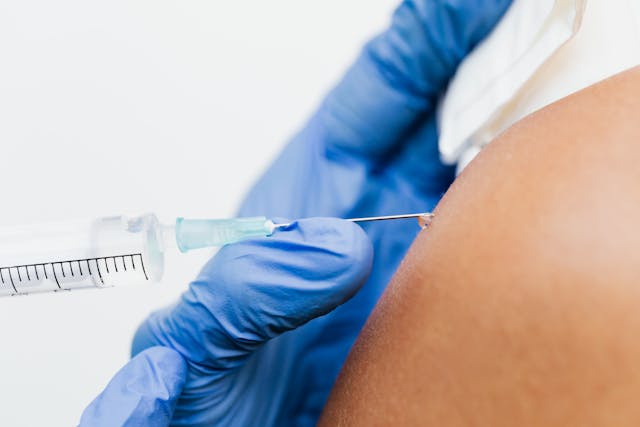
Photo by Karolina Grabowska www.kaboompics.com
Understanding the Mechanism of Peptides
Consider peptides as text messages transmitted to your cells. These sequences of amino acids range from 2 to 50 linked together and are small enough to pass through cell membranes with ease.
Your body produces a myriad of peptides each day, with each serving distinct purposes. Some instruct cells to release growth hormones, while others help decrease inflammation or improve your sleep cycle. The National Center for Biotechnology Information monitors how these substances influence various bodily functions.
Through research, scientists have identified the roles of different peptides and can now create synthetic versions. These artificial peptides function similarly to your body’s natural peptides, effectively engaging your internal systems.
Common Observations Post-Treatment
The impact of peptide therapy can differ significantly from person to person. Some individuals may experience dramatic improvements, while others may detect more nuanced changes. Nevertheless, certain benefits frequently emerge among users.
Commonly reported effects include:
- All-day Energy: Individuals often report reduced fatigue during afternoons, thanks to specific peptides enhancing cellular energy production.
- Faster Muscle Recovery: The sensation of heavy legs post-exercise diminishes, as repair-focused peptides significantly reduce recovery time.
- Improved Skin Appearance: Fine lines gradually diminish as collagen production increases.
- Sustained Weight Management: Enhanced metabolism may facilitate easier weight maintenance, preserving muscle while promoting fat loss.
- Deeper Sleep: Individuals often wake feeling rejuvenated, as certain peptides help regulate sleep patterns.
The FDA ensures the safety of peptide medications, but don’t anticipate instant results. Significant improvements generally develop over a span of weeks or months.
Who Is Opting for Peptide Therapy?
Athletes frequently seek peptide therapy to enhance performance, allowing them to recover more effectively between intense training sessions and build muscle without frequent injuries.
Individuals over 40 may consider peptides due to natural declines in growth hormones. Reduced energy and muscle loss can be countered with peptide therapy.
People suffering from chronic fatigue often explore peptide therapy when conventional treatments do not yield satisfactory results.
Busy parents who often feel drained may also be interested in safe ways to regain their energy while managing work and childcare.
Initiating Peptide Treatment
Providers usually implement a straightforward process that requires time.
A typical treatment plan consists of the following steps:
- Initial Consultation: Discuss your health history and objectives in detail. Providers need comprehensive insights into your circumstances.
- Blood Testing: Hormone levels and other markers are assessed to identify which peptides may be beneficial.
- Your Personalized Protocol: Providers determine specific peptides and dosages, teaching safe injection techniques.
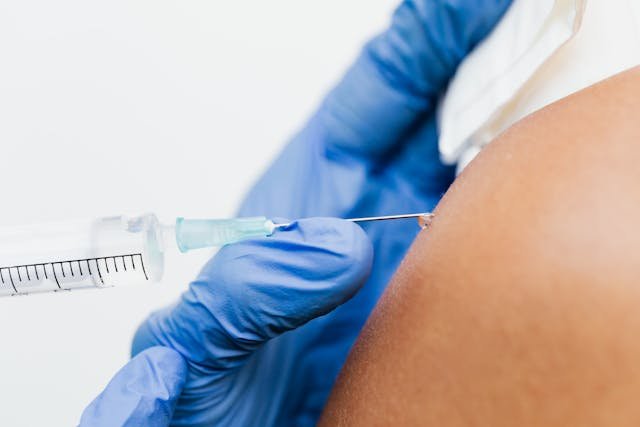
- Injection Schedule: Many peptides require subcutaneous injections, which can be performed at home or at a clinic.
- Follow-Up Appointments: Regular check-ins monitor your progress, with doses adjusted as necessary.
Treatment cycles typically last several months as your body requires time to adapt. Initial changes may be evident within weeks, while significant transformations take longer.
Side effects tend to be mild, with possible redness at injection sites, occasional headaches, or water retention. Severe complications are unusual.
Integrating Peptide Therapy into Your Routine
It’s essential to remember that peptides are not a cure-all. A foundation of good nutrition and exercise is still necessary. Neglecting fundamental health practices while expecting dramatic results is unrealistic; optimal outcomes occur when multiple health factors are addressed simultaneously.
Continuous research on peptides means new applications are regularly emerging. Qualified practitioners stay informed on effective treatments and provide realistic expectations.
Cost is a crucial consideration since insurance typically does not cover peptide therapy. Monthly expenses can vary widely, ranging from a few hundred to several thousand dollars, so it’s important to weigh potential benefits against the financial investment.
Conduct thorough research before proceeding. Consulting with knowledgeable professionals can help you determine if peptide therapy is the best fit for your needs or if alternative options may be more suitable at this time.




Add Your Comment Cancel reply