


Have you ever thought about the future of your children, especially regarding their transition to adulthood? One reliable prediction is that Teslas and self-driving cars will play a prominent role during this period of their lives. It’s likely that your kids will be navigating the streets in an autonomous vehicle, a hallmark of modern transportation innovation.
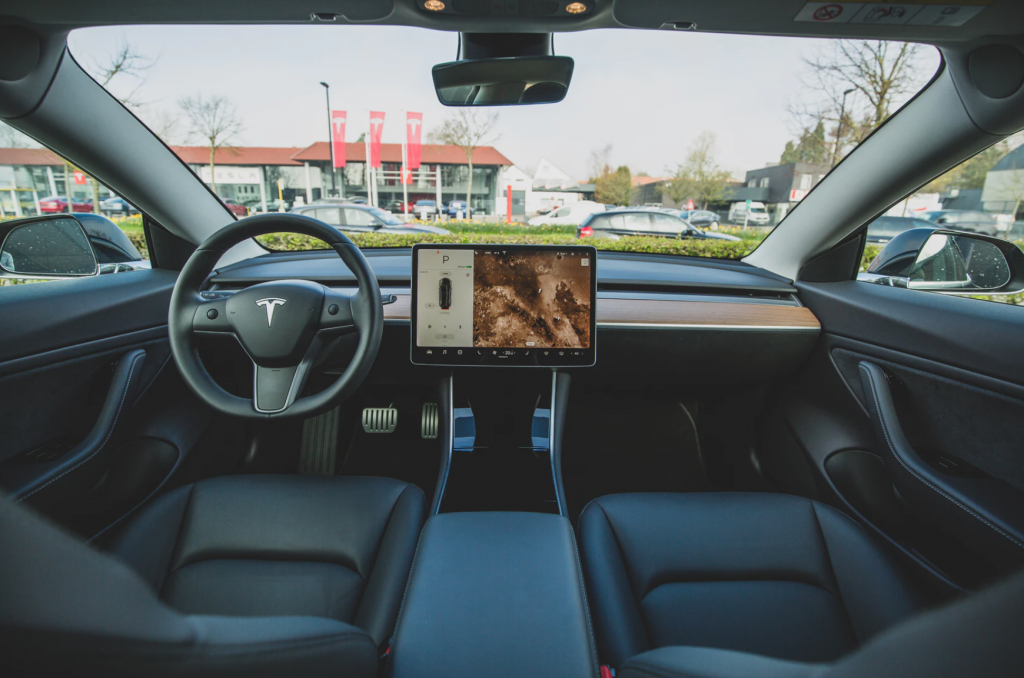
But the question arises: are self-driving cars safe? While the consensus leans towards a yes, there are nuances worth exploring.
In this article, we will delve into:
- What are self-driving vehicles?
- Are they safe?
What Are Autonomous Vehicles?
The concept of a vehicle operating without a human driver dates back several decades, with cruise control introduced in 1948. Over time, vehicles have evolved significantly (the seat belt debuted in 1959). A survey by IIHS in 2012 suggested that if vehicle technology hadn’t progressed since 1985, approximately 8,000 lives could have been lost that year alone.
Self-driving vehicles, or autonomous vehicles (AVs), provide genuine driving assistance beyond mere auto-braking systems. Automation is categorized into six levels, from 0, indicating manual control, to 5, which signifies full automation. Current car features, such as basic cruise control, represent Level 1 automation, commonly found in many modern cars.
Presently, Tesla’s self-driving capability is classified as Level 2. Elon Musk has projected that by mid-2020, Tesla’s vehicles could achieve full Level 5 automation. Companies like Tesla and Uber are also working on deploying AV taxis, with Uber even venturing into autonomous aerial vehicles. Family gatherings could soon mirror scenes from futuristic cartoons like The Jetsons.
Naturally, as technology progresses, regulatory frameworks also adapt to ensure safety standards have significantly improved from earlier automobile eras.
Are They Safe?
Business Insider reports that out of 88 incidents involving autonomous vehicles in California since 2014, 81 were attributed to human error, with only one classified as a technical fault of the car itself.
However, the safety debate is complex. Evaluating car safety typically involves examining fatalities per 100 million miles driven, and companies collecting data on self-driving cars account for only about 10 million miles on average.
The complexity increases when considering insurance implications, as establishing whether an Uber driver was responsible for an accident may not be straightforward.
In general terms, studies demonstrate that self-driving systems tend to outperform human drivers when it comes to safety.
For context, the current average fatality rate for human-driven vehicles stands at 1.16 per 100 million miles.
Pros
- They Can Prevent Tragedies
Machines historically make safer decisions than humans as they don’t interfere with their focus through distractions like alcohol or texting. Some speculate that in the future, individuals might not even need driving licenses.
While machines excel at performing specific tasks, their capability often remains confined to narrowly defined parameters.
- They Let You Multitask
In today’s fast-paced world, many individuals juggle various commitments. Autonomous vehicles could signify the end of distracted driving and usher in an era of mobile workspaces for busy lifestyles.
- You Can Finally Eat on the Road
While technically considered multitasking, the ability to eat while driving is worth noting separately.
Cons
- They Offer Less Control
Given the rapid advancements in technology, it often feels as though society is being outpaced by automation. A crucial aspect of human development is learning responsibility, especially for new drivers.
The desire for control is a prevalent theme in human behavior. Most actions taken daily aim to cultivate a sense of control in one’s life. What implications do self-driving vehicles have for a teenager’s psychological development? Could lacking traditional driving experience affect them later in life?
Only time will tell.
- They Could Decrease Jobs
This topic may spark robust discussions at family gatherings. While the rapid changes can be unsettling, they also present new opportunities. Just as in mythology, where cutting off a hydra’s head leads to the emergence of two more, the job market holds potential for innovation and growth. Your child may one day find themselves working in the autonomous vehicle industry, making it beneficial to consider the future needs of the world.




Add Your Comment Cancel reply